




Choosing a non-fried instant noodle production line starts with the product and the factory’s operating plan, not with the largest capacity figure in a catalogue. Noodle dimensions, recipe, finished moisture, pack format, planned output, and available utilities all affect the equipment configuration. A line suited to one product may need changes if the factory intends to add another format or run frequent changeovers.
A practical selection process connects these requirements to the process route, included equipment, capacity basis, and acceptance conditions.
Define the Product Before Comparing Equipment
Start with the noodle product the factory intends to sell. Record the format, dimensions, target weight, recipe range, finished-moisture requirement, packaging style, and preparation instructions. These details influence forming, cutting, drying, handling, and packing, so they should be settled before a model is chosen.
The planned product range matters as much as the first sample. A factory making one format has different changeover requirements from a plant that switches dimensions, recipes, or pack sizes. List launch products separately from future options that still need testing. Where several formats are planned, identify which one sets the initial line design and which changes are expected to require a separate trial. This distinction keeps the first purchase tied to a defined production need.
Provide representative samples, ingredient specifications, and expected output for each product. If the formula is still being developed, list the open assumptions. A sample alone does not define the conditions needed for repeatable production.
Confirm That the Non-Fried Process Fits the Product
Select a non-fried route because it matches the intended product and manufacturing requirements. Confirm how noodles will be formed, steamed, dried, and packed, and which finished characteristics the process must achieve.
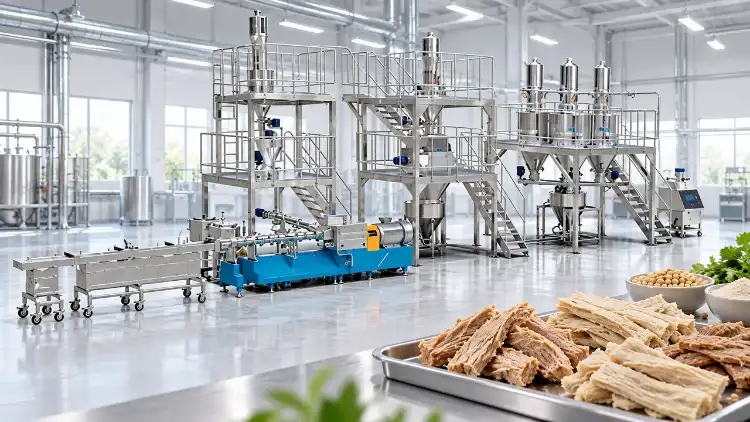
In a non-fried route, flour, corn starch, and vitamins are mixed before the blend passes through a screw extruder. Cutting and steaming follow; the noodles are then cut to length and sent to a dryer. Finished noodle cakes move to automatic sorting and packaging. The exact arrangement should match the product specification and the equipment included in the project.
Process settings and equipment arrangements can vary by product. Confirm dimensions, texture, finished moisture, preparation method, and packaging requirements. If future products differ from the approved sample, ask whether they require different forming parts, cutting arrangements, or downstream handling.
Match Capacity to the Factory’s Production Target
Compare capacity figures only when they use the same measurement basis and production stage. A kilograms-per-hour value may describe nominal process rate or defined product output. Ask what it measures, which equipment is included, and under what conditions it applies.
Start with required output per shift or day. Account for running hours, cleaning, changeovers, stops, and transfers between stages. A factory supplying steady orders may value repeatable output more than a brief peak rate. Also ask whether the capacity figure assumes continuous operation, a particular recipe, a specific noodle size, or a stated finished-moisture condition. Without that basis, model comparisons can be misleading.
Installed power is useful when checking the electrical supply, but it does not show actual energy use per kilogram of accepted product. Request the utility requirements for the proposed configuration and confirm whether the site can meet them. If energy use is a key purchasing criterion, define how it will be measured during a representative run rather than inferring it from motor power alone.
Check the Process Modules and Their Connections
A production line is a connected process. Mixing and feeding must supply material at a suitable rate; extrusion, cutting, and steaming must match the product format. The dryer and its discharge must also connect with sorting and packaging without creating persistent queues or excessive handling.
Review the equipment list stage by stage. Confirm whether raw-material preparation, mixing, extrusion, cutting, steaming, drying, conveying, sorting, and packing are included, optional, supplied by another vendor, or expected from the factory. Gaps between stages can limit practical output. The handoff between two units deserves the same attention as each machine’s specification: product accumulation, transfer method, cleaning access, and the time needed to clear a stoppage can all affect the way the line runs as a whole.
Drying needs particular attention because the process must reach the agreed finished-moisture target. That target should be defined for the actual product and verified under agreed trial conditions; it should not be treated as a universal setting for every recipe or market. Ask the supplier to identify the dryer included in the proposal and the product conditions used to establish its suitability.
Packaging also belongs in the capacity discussion. If the upstream process delivers noodles faster than the sorting and packing section can accept them, the line may need accumulation space, a different packing arrangement, or a revised operating plan. Compare sustained output across the connected line rather than selecting each machine by its highest standalone rate.
Evaluate Factory Space, Utilities, and Maintenance Access
The layout must fit the building and the movement of raw materials, work in progress, finished products, and staff. Provide floor area, ceiling height, access routes, storage locations, and finished-goods flow. Allow space for cleaning, inspection, service, and maintenance access.
Electrical supply, compressed air, water, steam, ventilation, and drainage requirements depend on the selected equipment and heating arrangement. Confirm which utilities are needed, their specifications, and who is responsible for providing each connection. If the plant has limits on power, steam, ventilation, or floor space, share those constraints before the layout is finalized. ARROW’s technical design and workshop layout support can be discussed alongside these site constraints.
Automation should match staffing and production practices. Operators need procedures for start-up, monitoring, alarm response, cleaning, and recording deviations. Confirm training, documentation, inspection access, removable components, wear parts, and service areas before ordering.
Compare the Listed Line Models on a Consistent Basis
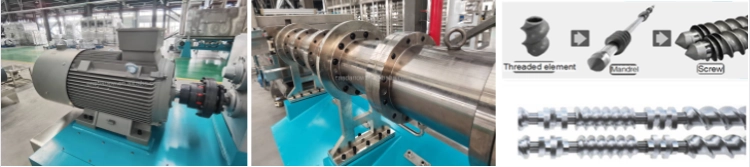
ARROW’s Automatic Instant Noodles Production Line is offered in three configurations with the following listed installed power and capacity figures:
|
Model listed for the instant-noodle line |
Installed power |
Listed capacity |
|
AHE78 |
90 kW |
600–750 kg/h |
|
AHE90 |
160 kW |
1,200–1,500 kg/h |
|
AHE120 |
315 kW |
2,500–3,000 kg/h |
Before comparing models, confirm whether each rate refers to a process stage or finished output, which product and operating conditions apply, and what equipment is included. Do not assume the listed hourly rate automatically means packed, saleable product.
The line’s stated process target is moisture below 9% after drying. Treat this as the specified target for the described configuration, not a universal requirement for every noodle recipe or market. The final specification and acceptance criteria should reflect the actual product and its intended use.
Model names and installed power alone cannot establish which configuration is best. The appropriate choice depends on required output, product range, site utilities, downstream packing capacity, and the performance basis agreed for the project. For a planned expansion, ask whether the proposed line can handle the expected product mix at the required shift pattern. Extra rated capacity is useful only if upstream supply, downstream packing, and site utilities can support it.
Verify the Proposal Before Placing an Order
A useful proposal connects the product brief to the equipment configuration and acceptance conditions. It should identify process stages, included and optional equipment, utilities, site work, and installation responsibilities. Record unresolved questions as open items.
Define the production trial before it starts. Use representative raw materials and the intended product configuration. Agree on operating conditions, measurement point, stable running period, sampling method, finished-product criteria, and treatment of rejects or interruptions. Record both the quantity produced and the quantity that meets the agreed specification. The trial record should also identify the product recipe, settings, run duration, interruptions, and sampling points. These details help both parties interpret the result if output or product quality varies. If capacity is a purchase criterion, specify whether the accepted figure is measured at the dryer discharge, after sorting, or at the packing stage.
A few acceptable start-up samples do not demonstrate sustained performance. Check product consistency during a representative run and confirm downstream equipment can handle the output. Record any limitations or exclusions in the acceptance plan.
The project scope should also clarify operator instruction, troubleshooting support, maintenance information, and spare-parts arrangements. Assign each responsibility explicitly instead of assuming that every project includes the same services.
Conclusion
The right line fits the factory’s product range, output target, process requirements, building, and operating plan. Define the product, compare capacity on a consistent basis, review process connections, and confirm utilities before selecting a model.
A clear product brief and representative trial provide a stronger basis than a capacity figure alone. ARROW MACHINERY supplies food processing equipment and engineering support, but the selected configuration should still be justified against the actual product, site, and operating requirements.
To discuss a specific setup, send the recipe, dimensions, finished-moisture target, packaging format, and required output for a project review.
FAQs
Q: What should buyers check first when selecting a non-fried instant noodle production line?
A: Start with the noodle format, recipe, product dimensions, finished-moisture requirement, packaging style, and required output. These requirements help determine which process stages and equipment interfaces need to be included.
Q: How should capacity be compared between different production line models?
A: Confirm that each figure uses the same measurement basis and identifies the stage where output is measured. Ask whether it represents nominal process throughput or accepted finished product, then verify the agreed rate during a representative production trial.
Q: Does a higher-capacity line always suit a growing factory?
A: Not necessarily. The larger model must fit the factory’s demand, utilities, floor space, staffing, product range, and downstream packaging capacity. A line with more nominal capacity may not be the best choice if the factory cannot use it consistently.


