



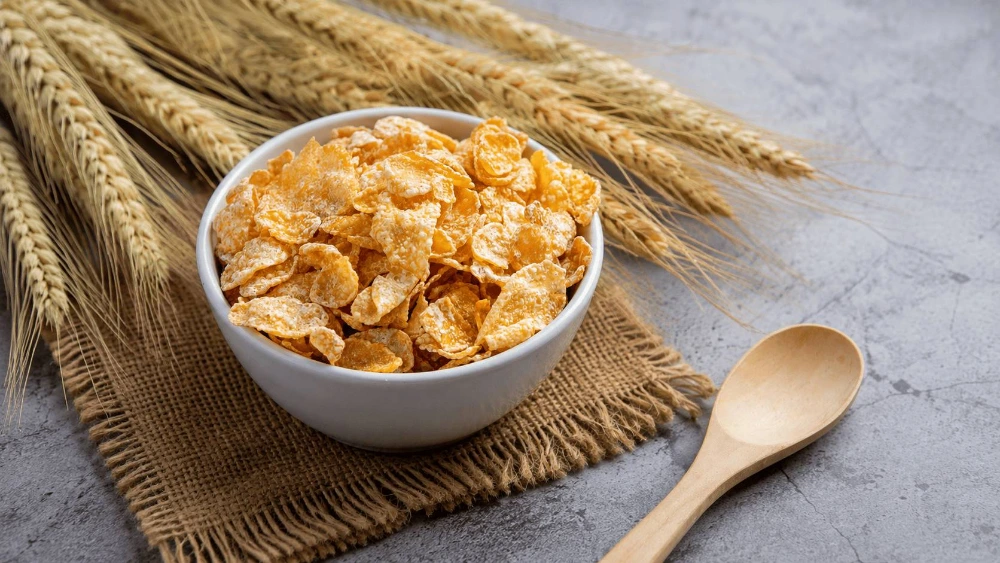

Buying textured vegetable protein equipment starts with the product you want to sell, not with an extruder model. The clearest way to decide how to choose TVP equipment is to work backward from that finished product. Dry chunks must keep their shape through drying, cooling, sizing, and packing. Flakes and mince need different dies, cutters, conveyors, screens, and size-reduction equipment. If the required format is unclear, two suppliers may quote similar machine names but offer very different lines.
Before requesting a quotation, define the format, formula, hourly output, working hours, and acceptance checks. Then ask each supplier to build the line backward from packaged TVP to ingredient feeding. Compare complete process duties instead of looking only at motor power or screw diameter.
Start With the Product Format the Factory Will Sell
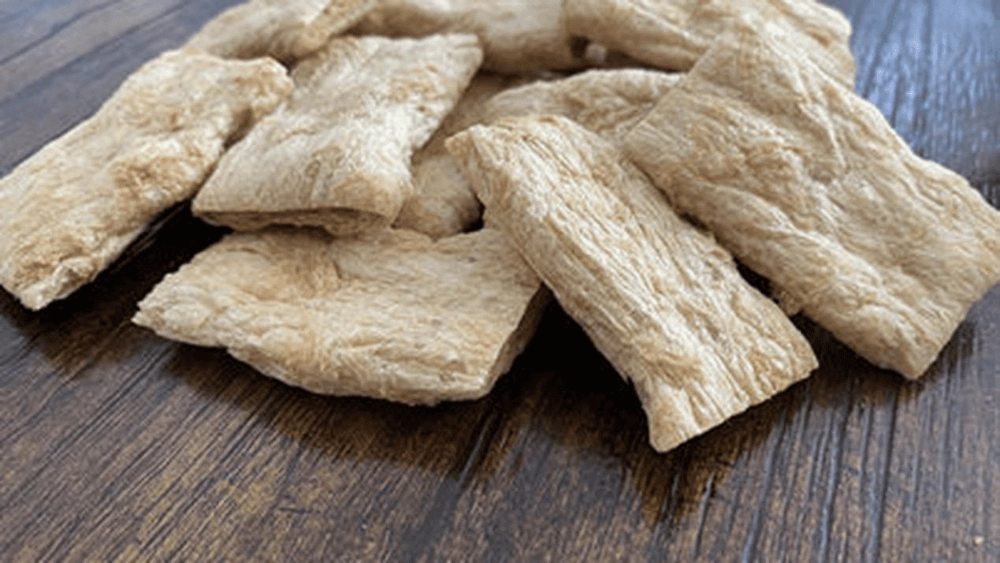
Dry textured protein can be sold as pellets, crumbs, mince, flakes, chunks, chips, schnitzel-style pieces, or nuggets. A product name is not enough for a quotation. State the target length, width, thickness, piece weight or density, acceptable breakage, color, surface condition, hydration behavior, and pack format.
Define shape, size, and cut condition
A chunk and fine mince are formed in different ways. A chunk may receive its main shape from the die and face cutter. A flake or strip may need sheeting or a second cutting step. Ask the supplier to state exactly where the final size is created: at the die, after extrusion, or during post-processing.
Send a target sample when possible. Add measured dimensions and an allowed range because a photograph cannot show size accurately. Also explain what should happen to fines: return them to the process, sell them as another grade, or keep them below a set limit. This choice affects screen capacity and product yield.
Describe hydration and downstream use
Dry low-moisture TVP is stored and transported before it is hydrated. Buyers who make fillings, prepared meals, sausages, or frozen foods also need to know how the product behaves after soaking or cooking. Define the hydration method, desired bite, and whether the wet piece must tolerate mixing, pumping, freezing, or retorting.
These points affect equipment selection. Rough conveying or drying can create too many broken pieces. A dry sample may also look acceptable but become too soft after hydration. Test both the packed dry product and the hydrated product in its intended use.
Assign a Clear Duty to Every Process Stage
The low-moisture route in ARROW MACHINERY’s textured vegetable protein production system includes ingredient preparation, mixing, conditioning, extrusion, molding, drying, cooling, and packaging. Some formats also need sheeting, cutting, crushing, or sifting. For each handoff, define what enters the next machine: temperature, moisture, size, flow rate, and physical condition.
Mixing and conditioning create a controllable feed
Uses plant-based proteins (such as soy, pea, and wheat) as the primary raw materials, but the supplier still needs an actual formula or a clear development formula. List every powder and liquid, its normal percentage range, incoming moisture, particle form, storage method, and any feeding problems. The mixer and liquid-dosing system must give the extruder a consistent feed.
The equipment list should show which machine stores, weighs, moves, mixes, and conditions each ingredient. It should also show which settings operators can record. If the factory will run several formulas, ask how operators change settings and clean the line between products.
Extrusion develops structure and establishes the first shape
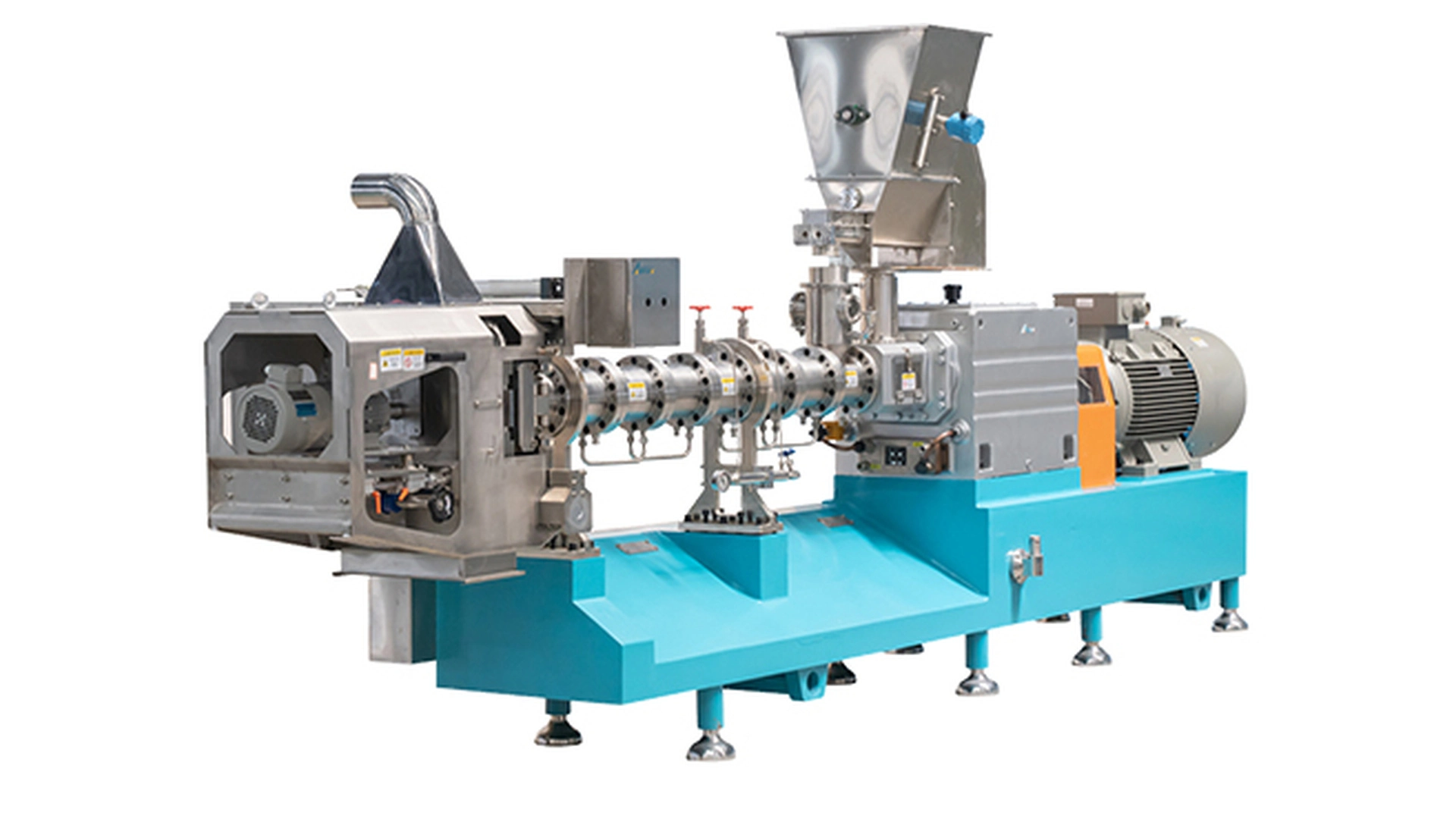
In a twin-screw extruder, rotating screws mix and work the formula while the barrel controls the processing temperature. Screw arrangement, barrel zones, feed rate, water addition, die shape, and cutter speed all affect the result. ARROW MACHINERY uses modular screw elements and independently controlled heating or cooling zones, so the processing setup can be matched to the formula and target format.
The machine still needs a tested process. Ask which settings control fiber, density, expansion, shape, and cut length. The quotation should also separate recipe-development work from the machines and services included in the order.
Drying and cooling prepare pieces for stable handling
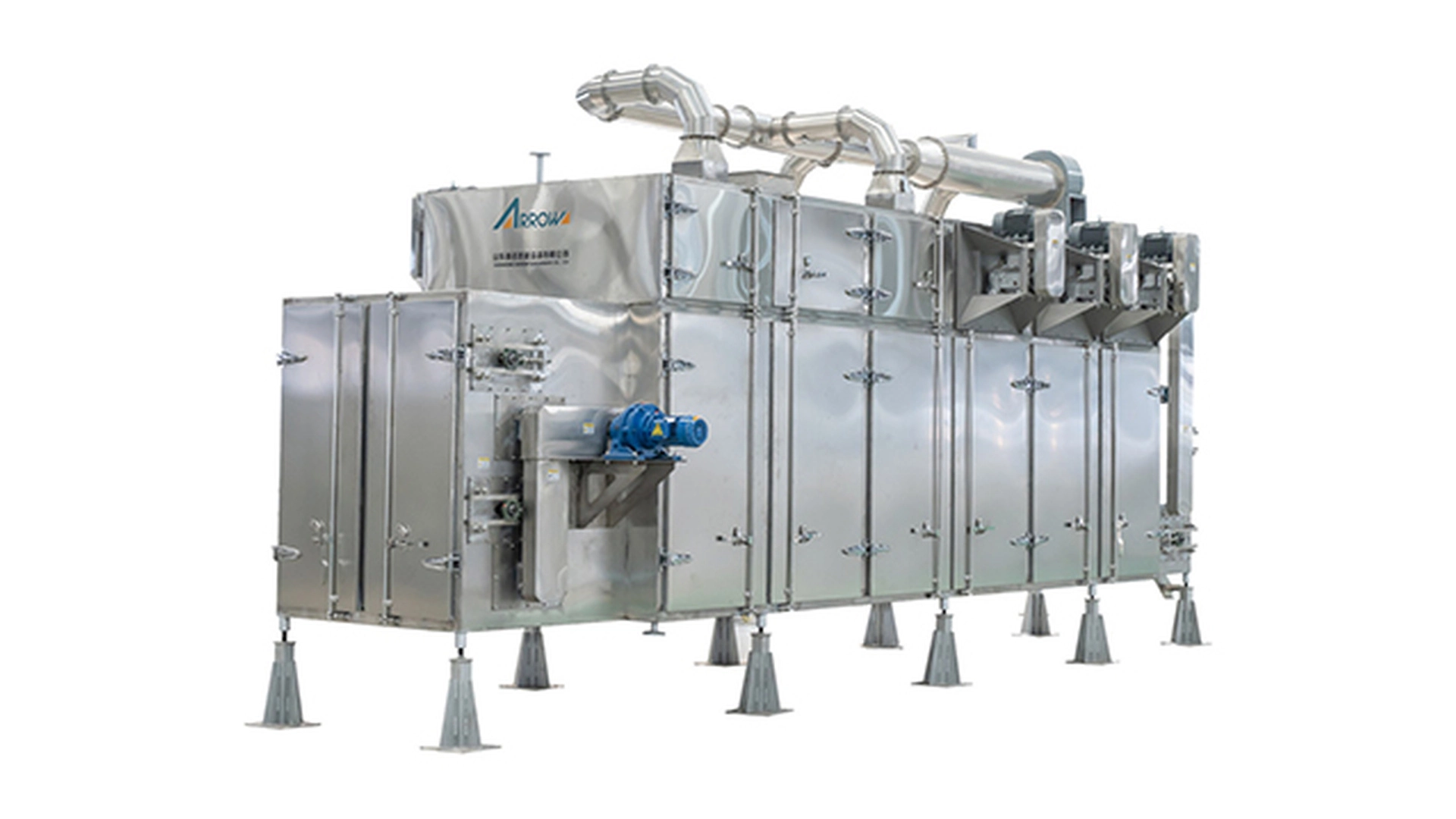
TVP leaves the extruder hot and wet. The dryer must spread the pieces evenly, move air through the product bed, remove moist exhaust air, and keep the product inside long enough to reach the target moisture. ARROW MACHINERY’s circulating dryer uses cross circulation and side air delivery. Its plate-dryer arrangement also combines product distribution, hot-air circulation, moisture exhaust, cooling, and cleaning functions.
Thick chunks and thin flakes do not dry at the same rate. Trials should set bed depth, loading, air flow, temperature, and belt or plate speed for each format. Cooling comes next because hot product should not go straight into a screen or package.
Match Textured Vegetable Protein Equipment to Each Format
Match every machine to a clear product requirement. The TVP dryer and post-processing equipment matter as much as the extruder. Use this matrix to define the scope; the final configuration still depends on trials.
|
Product format |
Forming responsibility |
Drying and handling priority |
Likely post-processing duty |
|
Chunks or nuggets |
Die and cutter create the main piece |
Preserve piece integrity and dry the center consistently |
Screening, fines removal, cooling, packing |
|
Flakes or chips |
Die, sheeting, or controlled cutting defines thickness |
Avoid overlap and uneven loading |
Sizing, screening, gentle transfer |
|
Mince or crumbs |
Extrusion creates structured material before smaller sizing |
Produce a stable dried feed for size reduction |
Crushing, classification, fines control |
|
Strips or schnitzel-style pieces |
Die and downstream cut define width and length |
Support elongated pieces without tangling or excessive breakage |
Length control, inspection, packing |
Select the extruder around the process window
Do not choose a twin-screw extruder from its capacity figure alone. Ask what formula, format, operating moisture, and test conditions support that figure. The proposal should list screw diameter, installed power, and expected output range. ARROW MACHINERY offers several extruder sizes, but the right size still depends on a validated formula and the capacity of the dryer and downstream equipment.
Confirm whether the price includes feeders, preconditioner, liquid dosing, dies, cutter, controls, and safety devices. List wear parts and the space needed to remove dies, cutters, screws, and barrel parts. Ask the supplier to show that the line can hold the required output for the planned production period, not only reach it briefly.
Size the dryer from product load, not extruder nameplate output
Size the dryer by the water it must remove and the way the product moves through it. Provide inlet moisture, target outlet moisture, product temperature, piece dimensions, loading behavior, and mass flow. Ask for the number of passes or sections, residence-time range, heat source, air circulation, exhaust method, controls, cleaning access, and product-spreading method.
Ask how the dryer settings and capacity change when the factory switches from small pieces to thick chunks. The answer may involve belt speed, bed depth, temperature zones, or recirculated air. The cooler must accept the dryer’s full discharge rate without damaging the product.
Build post-processing around the sellable grade
Post-processing turns extruded material into a consistent product grade. The line may need cutting, crushing, screening, fines recovery, inspection, cooling, project-specified metal detection, weighing, and packaging. Include the conveyors between these machines. Long drops, tight bends, or the wrong conveyor can break good product.
If the factory will make several grades, identify every change part and screen or crusher adjustment. Decide whether one flexible line or separate downstream branches are needed. This choice affects investment, cleaning time, production planning, and the risk of mixing grades.
Convert the Format Brief Into Specifications and Trials
A useful proposal states its assumptions. Create one schedule for process inputs and another for acceptance results. Use the same fields during trials, factory acceptance, and site commissioning.
Record the specification basis
The input schedule should cover formula, ingredient form, target piece, output, daily hours, utilities, heat source, factory conditions, automation, cleaning, and electrical supply. For each machine, list its job, food-contact construction, installed power, controls, operating range, included auxiliary equipment, and connection to the next stage.
Ask for a process-flow diagram and factory layout. Mark operator positions, ingredient access, maintenance space, exhaust points, conveyor heights, packing area, and routes for removing major parts. A compact line is useful only when workers can clean and service it safely.
Validate the product at more than one point
During a sample trial, record the formula and machine settings. Measure piece size, dry moisture, breakage, fines, handling, hydration method, and hydrated yield when the project requires it. Add texture observations and use agreed test methods and sample locations. A good-looking handful from the extruder does not prove even drying or a consistent packed grade.
For factory acceptance, agree on the equipment and controls to inspect, run time, feed rate, material-balance method, sample points, and deviation record. At the buyer’s factory, check installation, utilities, no-load operation, product runs, operator training, and output under local conditions.
Prepare a Procurement Package ARROW MACHINERY Can Configure
Start the RFQ with the product, then add the plant constraints.
|
RFQ field |
Information to provide |
|
Product formats |
Photos, physical samples, and measured size ranges |
|
Materials and acceptance |
Formula or material list, supplier specifications, expected variation, and requirements for dry and hydrated TVP |
|
Production plan |
Required hourly output, shifts, operating days, and changeover plan |
|
Factory and utilities |
Floor area, ceiling height, access, drainage, packaging flow, heat source, power, water, compressed air, and exhaust |
|
Supply scope |
Automation boundary, data recording, spare parts, training, and commissioning |
|
Trial method |
Planned sample trial, measurements, and acceptance method |
At this stage, buyers can review ARROW MACHINERY against the same RFQ basis rather than comparing isolated machine names. To receive a configuration instead of a generic machine list, send ARROW MACHINERY your TVP format and factory brief. Ask the proposal to connect the extruder, dryer, cooler, and post-processing equipment to your product and to list every assumption that still needs a trial.
FAQ
Q: How do I choose textured vegetable protein equipment for several product shapes?
A: List each shape, its dimensions, required output, and the stage that creates its final size. Record any die, cutter, dryer, screen, or crusher changes between grades.
Q: Should extruder capacity and dryer capacity be the same number?
A: They must be balanced, but matching nameplate figures are not enough. Size the dryer for the actual product moisture, thickness, loading, residence time, and heat-transfer conditions.
Q: When is crushing required in a TVP production line?
A: Use crushing when dried material must become mince, crumbs, or another classified size. It may be unnecessary when the die and cutter already create the final grade.
Q: What should a TVP sample trial prove before purchase?
A: It should link the formula and recorded settings to the dry piece, moisture, breakage, grade distribution, hydration method, and intended downstream use. The trial should also show how product is dried, cooled, screened, and handled, not only how it looks at the extruder outlet.


