



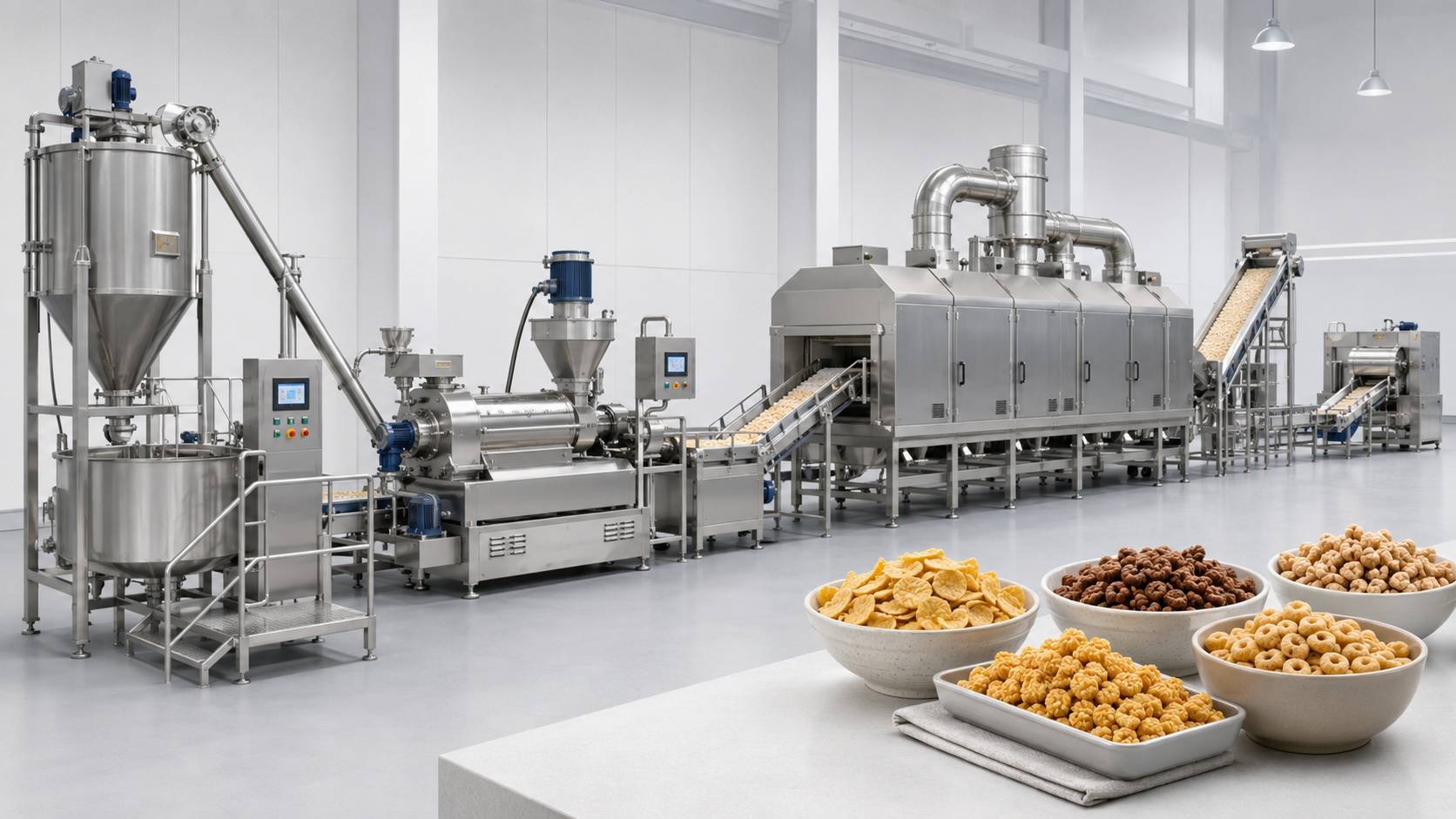
A plant-protein project often begins with an extruder inquiry, but the first decision should be the finished product. A factory selling a dry, transportable ingredient has different process needs from a manufacturer producing a moist, fibrous base for chilled or frozen foods. The choice affects raw materials, moisture addition, post-extrusion equipment, packaging, storage, and distribution.
A dry tvp production line generally supports low-moisture products that are stored before rehydration. A high moisture meat analog production line retains more water and relies on controlled cooling to develop a directional structure. Neither route is automatically better. The suitable option depends on who will buy the product, how it will be processed, and how the factory manages logistics.
The Choice Starts with the Product You Plan to Sell
Before comparing machines, buyers should decide whether the factory will sell a flexible ingredient or a more finished meat-alternative base. That commercial choice shapes the process and prevents equipment selection from being driven by one attractive specification.
Dry TVP Works as a Flexible Food Ingredient
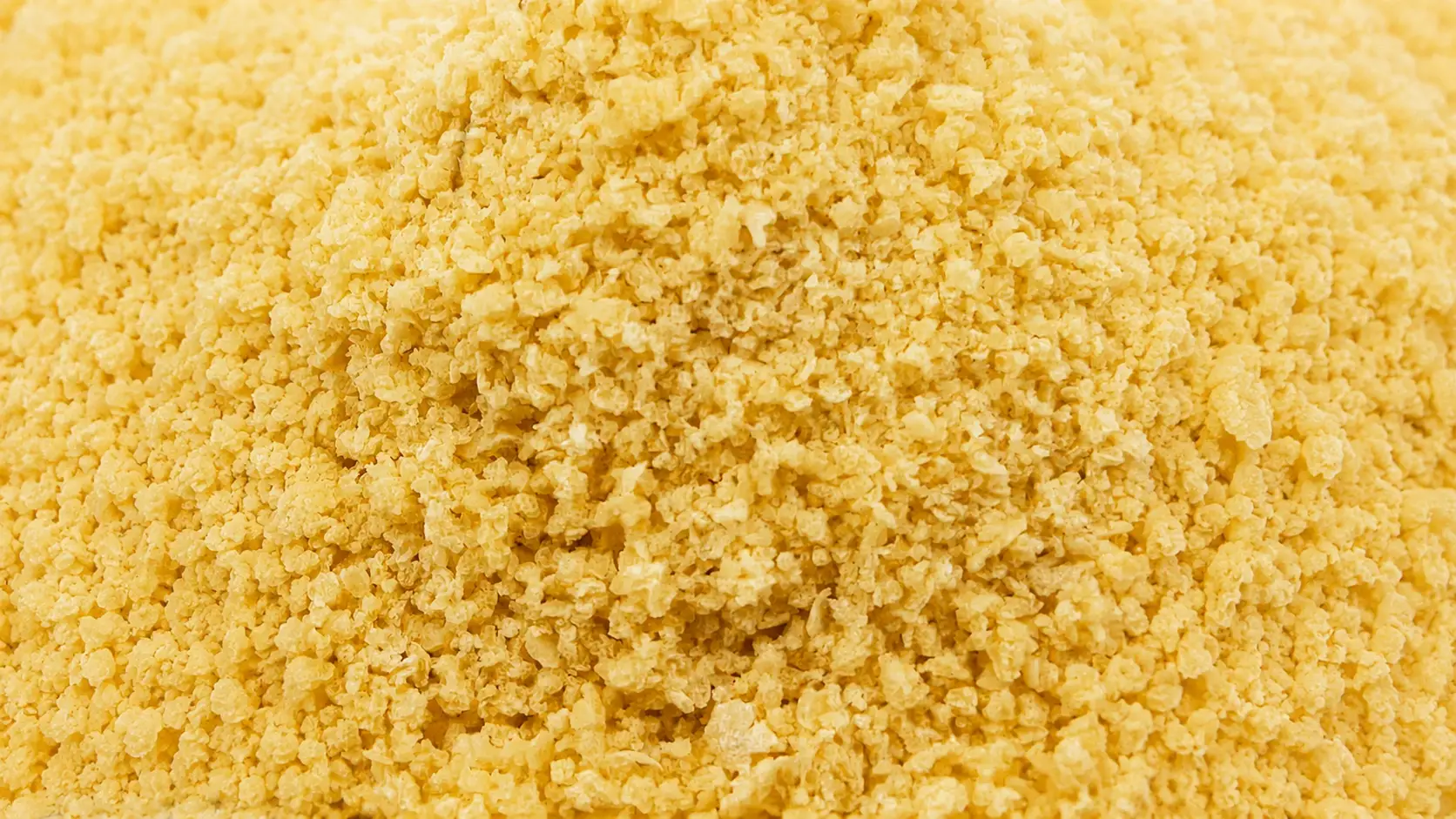
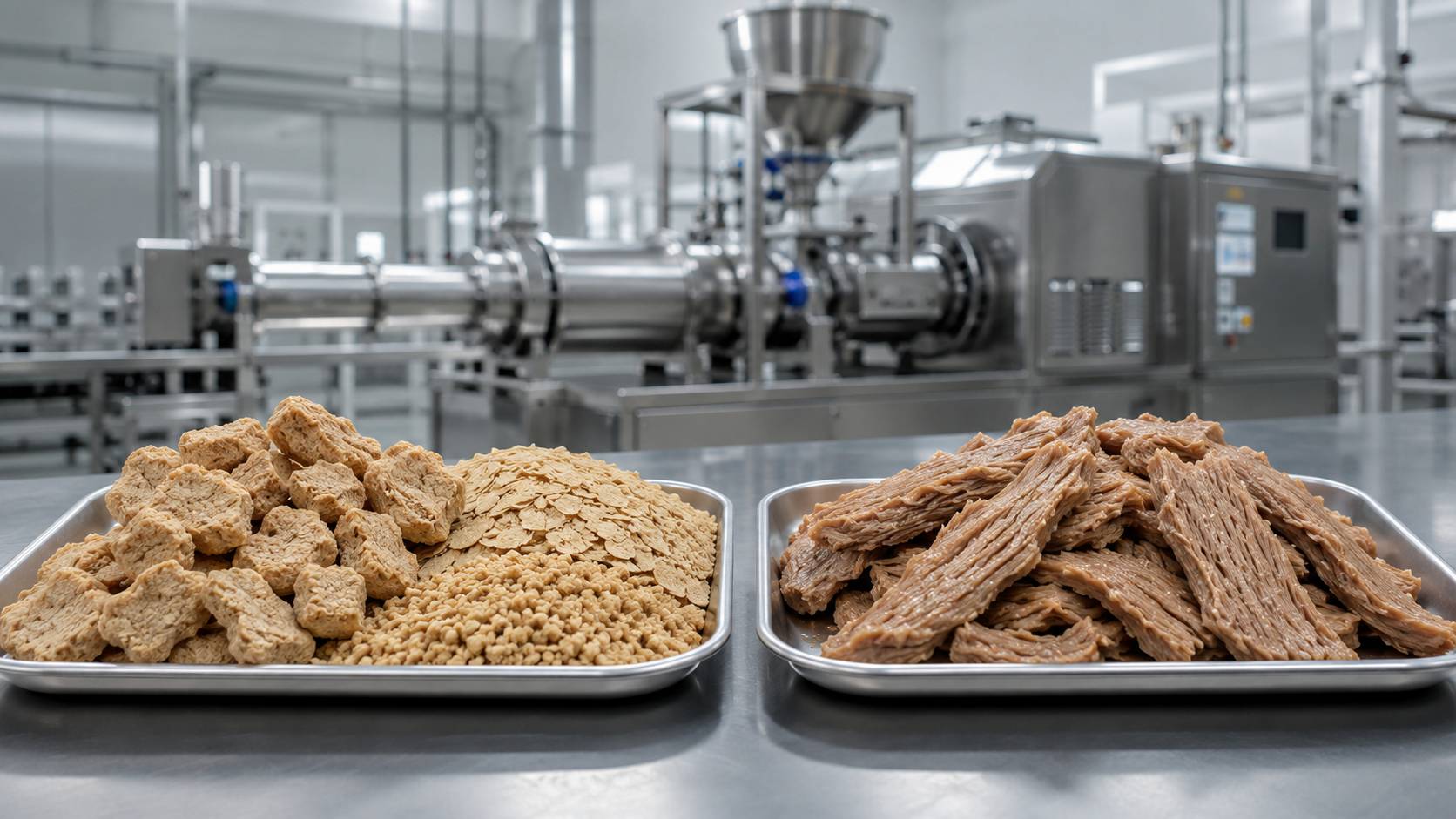
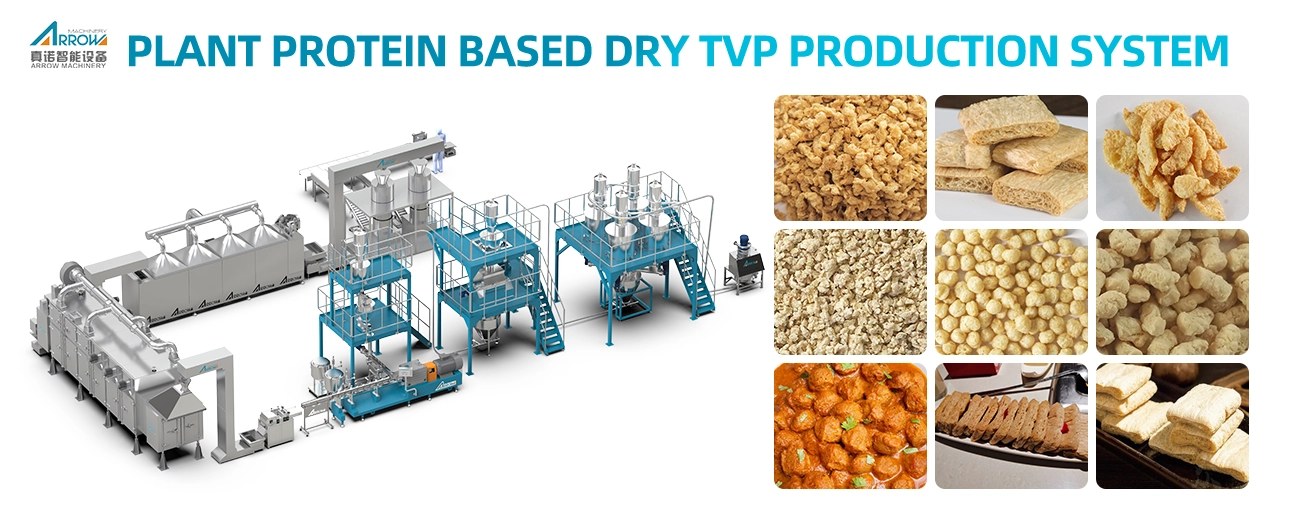
Low-moisture textured protein can be formed into chunks, flakes, crumbs, minced pieces, balls, or flatter shapes. After extrusion and forming, the product is dried and cooled before packaging. Downstream processors can rehydrate it, add seasoning, and use it in fillings, sauces, frozen meals, vegetarian products, or blended formulations.
This format can suit ingredient suppliers serving several customers because hydration, flavor, and final shaping remain flexible during secondary processing. Ambient storage and transport may also be easier to arrange than a cold-chain route.
The dry tvp production line therefore fits projects where dry handling, distribution reach, and product versatility are important.
HMMA Works Closer to a Finished Meat-Alternative Base
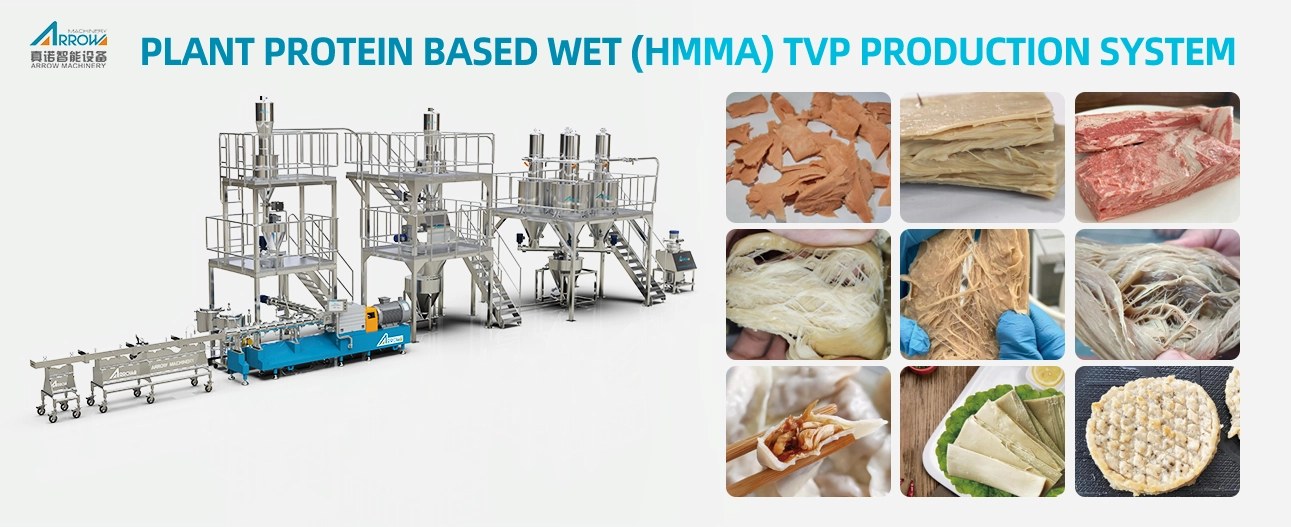
High-moisture meat analog is commonly processed at around 50–70% moisture in this project category. Controlled extrusion and cooling help organize the protein structure into a more directional, layered texture. The product normally does not need the repeated rehydration associated with dry TVP.
This route is closely linked with chilled or frozen vegetarian foods that move directly into cutting, seasoning, forming, or freezing.
A high moisture meat analog production line should therefore be assessed together with the factory’s cutting area, cooling arrangement, freezing plan, and distribution model.
Where Do the Two Processing Routes Separate?
Both routes may begin with protein preparation, mixing, conditioning, and twin-screw extrusion. Their main difference appears after the protein mixture has been cooked and structured. Dry TVP removes moisture for storage, while HMMA retains moisture and depends on controlled cooling.
The Dry Route Adds Forming, Drying, and Cooling
A typical dry route follows ingredient preparation, mixing, conditioning, extrusion, molding, drying, cooling, and packaging. Forming determines product geometry, while the dryer brings the material to a condition suitable for stable handling and packing.
Dryer selection must match product thickness, piece size, target moisture, and extrusion output. A larger extruder does not create a balanced line when the dryer cannot remove moisture at the same rate. Cooling is also required before packaging.
The High-Moisture Route Depends on Controlled Cooling
The HMMA route is shorter in equipment sequence but more sensitive within the extrusion-cooling section. The extruder applies heat, pressure, mixing, and shear. A cooling die or related section lowers the temperature while the material remains confined, helping the structure hold its direction.
A conventional dryer is not the defining downstream stage. Cutting, chilled transfer, seasoning, forming, and freezing may follow the cooling section. The high moisture extrusion machine must therefore be evaluated with the cooling geometry and downstream handling system.
Protein type, moisture, screw arrangement, temperature profile, die design, and cooling rate all influence the result.
Shared Extrusion Technology Does Not Create Identical Lines
Both routes can use a twin screw extruder for plant protein, but they may require different screw elements, barrel sections, liquid addition, temperature zones, die systems, and post-processing equipment. A standard configuration should not be assumed to move freely between dry TVP and HMMA without engineering review.
The plant protein extrusion line must be built around the target texture. Dry products depend more on forming and drying capacity; HMMA links formulation, extrusion, cooling, and immediate handling.
What Does Each Route Require from the Factory?
The production route changes the workshop beyond the extruder. Utility demand, air handling, hygiene zones, packaging, warehouse conditions, and labor organization should be reviewed before a model is selected.
Dry TVP Places More Demand on Drying and Bulk Handling
A dry project needs a suitable heat source, exhaust system, dryer space, cooling capacity, and dry-product packing area. Buyers should also assess dust collection, cleaning access, screening, and bulk storage.
Longer pieces may require more drying time than small crumbs, so shape changes can affect actual output. The quotation should state the product form and moisture basis used for selection.
HMMA Places More Demand on Hygiene and Cold-Chain Control
A high-moisture project needs controlled cooling, hygienic cutting, short transfer routes, and planned chilled or frozen storage. Downstream sanitation and temperature management become part of the production system rather than separate logistics matters.
The factory should define how quickly the product moves from cooling to cutting, seasoning, portioning, or freezing, and confirm cleaning access around contact surfaces.
Cold storage capacity should follow production schedules, not only hourly extruder output. Otherwise, freezing or dispatch becomes the bottleneck.
Packaging and Logistics Change the Project Economics
Purchase price alone cannot show which route has the lower total cost. Dry TVP adds drying energy and ambient packaging, while HMMA adds cooling, hygienic post-processing, cold storage, and refrigerated distribution.
|
Decision factor |
Dry TVP route |
HMMA route |
|
Product state |
Low moisture |
High moisture |
|
Rehydration |
Usually required |
Usually not required |
|
Main post-extrusion stage |
Drying and cooling |
Controlled cooling and forming |
|
Storage route |
Commonly ambient |
Usually chilled or frozen |
|
Commercial role |
Ingredient for processors |
Base for integrated production |
|
Logistics focus |
Moisture protection |
Temperature control |
Final economics depend on the formula, line scale, energy prices, packaging, labor, and customer requirements.
Which Business Model Fits Each Production Line?
Once factory requirements are visible, the choice becomes a commercial decision. The buyer should compare customer type, sales radius, downstream processing, and the level of control retained after extrusion.
Dry TVP Suits Ingredient Supply Across Several Applications
This dry route may fit ingredient manufacturers, export-oriented suppliers, private-label producers, and factories serving several food processors. One customer may rehydrate crumbs for fillings, while another may use larger chunks in ready meals.
Shape flexibility can broaden the portfolio, but each change still needs formula and process verification. A new die alone does not guarantee the same hydration or drying performance.
HMMA Suits Integrated Production with Downstream Control
A high moisture meat analog production line may fit manufacturers producing frozen meals, vegetarian strips, whole-cut style pieces, sausage bases, or other products that need a moist, directional structure. These factories often keep cutting, seasoning, forming, freezing, and packaging within one controlled operation.
The route fits manufacturers that want direct control over the final food format. Some factories may operate both routes, but they should be treated as related systems rather than one simple upgrade path.
What Should Buyers Compare in an Equipment Proposal?
A useful proposal should connect the formula, product structure, equipment configuration, and acceptance criteria. Model names matter, but they should come after the process basis has been defined.
Raw Material and Formula Testing
Soy protein concentrate, soy isolate, pea protein, wheat gluten, starch, fiber, oil, and blended proteins behave differently under water, heat, and shear. Buyers should provide actual raw material specifications and a realistic target sample whenever possible.
Testing should evaluate feed stability, pressure, motor load, texture direction, water retention, product dimensions, moisture, and downstream handling. A tvp production line manufacturer should define the trial material, test duration, and results to be measured before scale-up.
Extrusion and Post-Processing Configuration
The proposal should specify the conditioner, liquid addition, screw arrangement, barrel zones, drive system, control approach, die or cooling section, cutter, dryer, cooler, and product transfer. It should also explain which sections change between the two routes.
At this stage, Arrow Machinery can be considered where project coordination is relevant. The practical value is connecting testing, equipment selection, layout, and startup requirements.
A plant protein extrusion line should be sized from the complete process, not from the main motor or nominal extruder capacity alone.
Acceptance and Service Scope
Before signing, the buyer should define the finished product form, target moisture range, texture direction, piece dimensions, capacity basis, test duration, included modules, spare parts, manuals, installation, and training responsibilities.
A qualified tvp production line manufacturer should make clear which results can be verified during factory testing and which require commissioning with local utilities and raw materials. The Service scope can include technical design, field debugging, operating training, spare parts, and troubleshooting, but the contract should still state the exact responsibilities.
What Should Your Project Brief Contain?
The final inquiry should let the supplier compare both routes without guessing. Include the intended route, product samples, protein ingredients, moisture target, fiber direction, shapes, output, utilities, workshop dimensions, packaging, storage temperature, downstream processing, and required testing.
A tvp production line manufacturer will also need to know whether the product is sold as a dry ingredient, chilled base, frozen component, or finished retail item. That detail often matters more than a requested extruder model.
The suitable route begins with the product and sales model. Choose dry TVP when ambient distribution, later rehydration, and ingredient flexibility are central. Evaluate HMMA when high moisture, directional texture, direct downstream processing, and cold-chain control are available.
Prepare your raw materials, target moisture, texture, output, workshop conditions, and storage plan before equipment selection is finalized. We can review these project details and help define a practical line and process scope. Contact Us to discuss which route fits your factory.
FAQ
Q: Can one twin screw extruder produce both dry TVP and HMMA?
A: Some extrusion principles and equipment modules may be shared, but screw configuration, moisture addition, die design, cooling, drying, and downstream handling can differ. Each product needs a separate engineering review.
Q: Which production route is more suitable for export products?
A: Dry TVP is often easier to plan for ambient transport. HMMA can also be exported, but chilled or frozen logistics, packaging, and shelf-life validation must be included in the project.
Q: What should buyers provide before requesting a TVP line quotation?
A: Provide protein ingredients, target texture, product form, moisture range, output, workshop dimensions, utilities, packaging method, storage conditions, and required trial or training support.


