



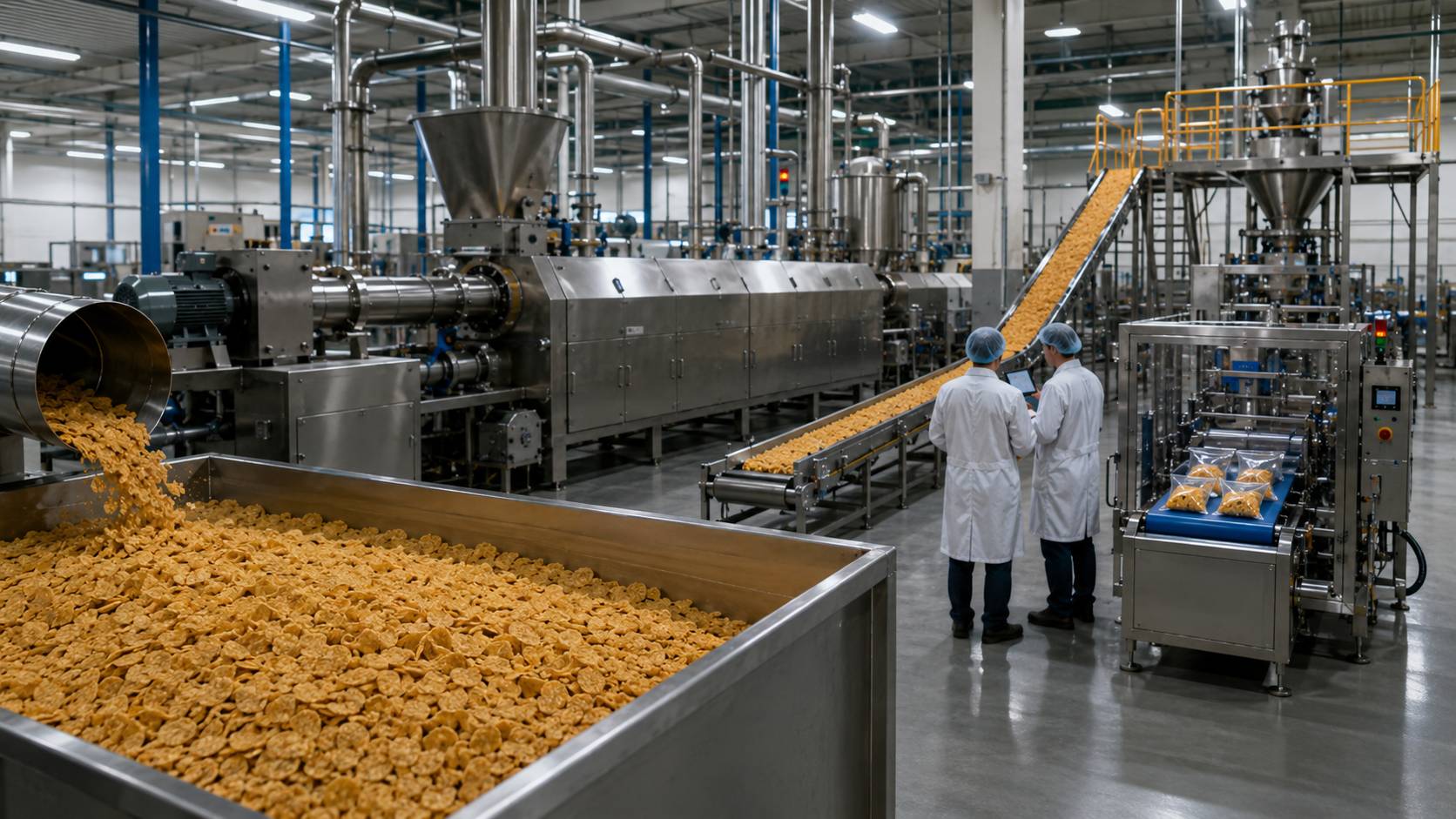
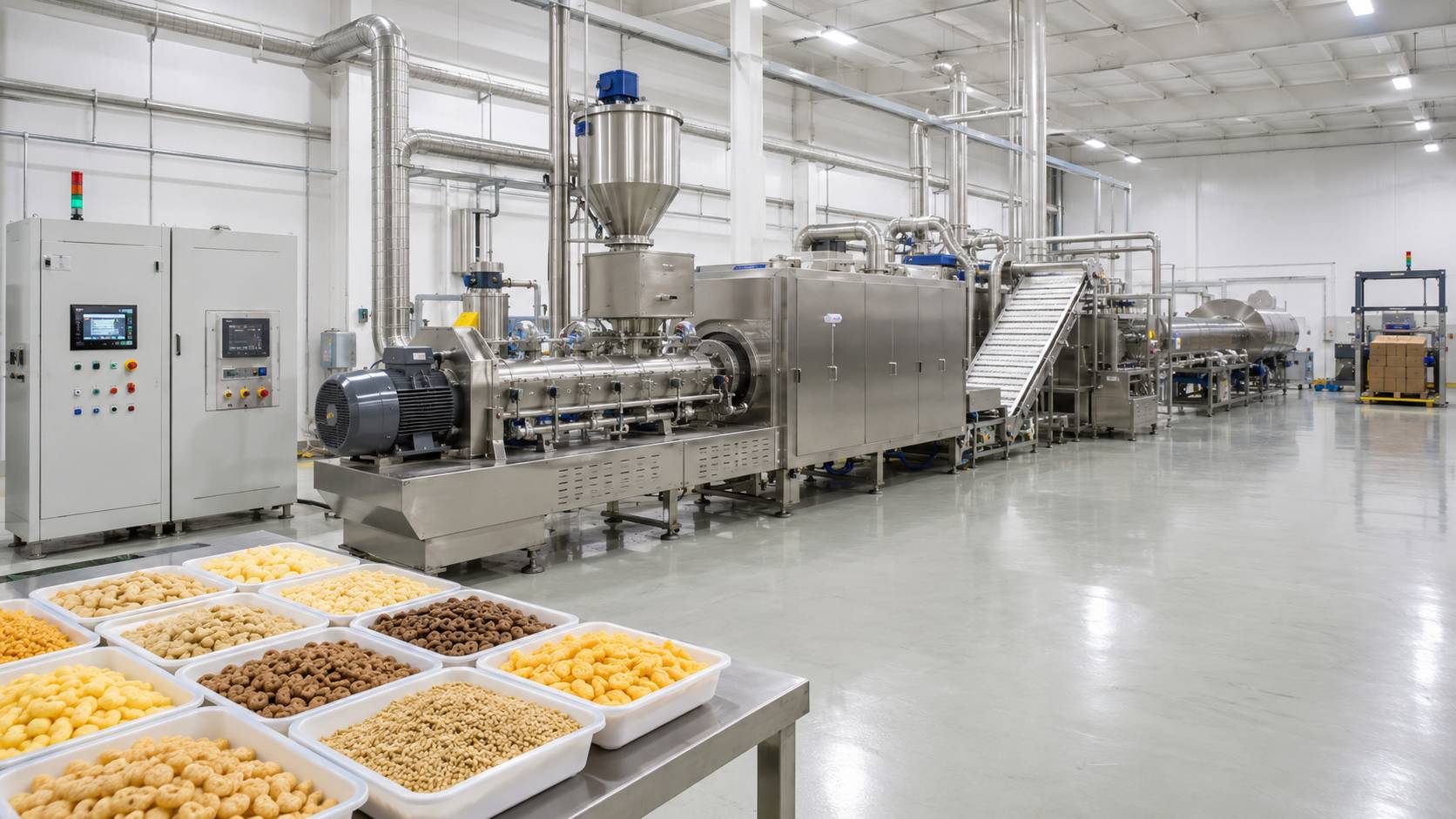
Ordering one extruder and planning a complete plant are different decisions. A food extrusion turnkey solution has to connect the target product, raw material handling, process route, equipment modules, factory layout, utilities, installation, and startup support. If these points are not confirmed before ordering, the project may look clear on paper but become difficult during commissioning.
For food factories, the main question is not only which machine has the right capacity. The more practical question is whether the whole food extrusion line can support stable production after installation. This article focuses on the checks that should happen before a buyer signs a turnkey project order.
Why Is a Turnkey Project Different from Buying One Extruder?
A single machine purchase may be suitable when a factory already has feeding, drying, cooling, seasoning, packing, and trained operators in place. A new plant or major expansion usually needs a broader plan.
A single machine solves only one part of production
The extruder is often the center of the process, but it cannot complete a product by itself. A practical line may require raw material storage, weighing, mixing, conditioning, extrusion, cutting, drying, cooling, coating, seasoning, and packing. If the buyer only compares the extruder price, the first quotation may miss several supporting systems.
A turnkey line must connect process, equipment, and layout
A turnkey food production line is not a fixed package that can be copied from one product to another. Puffed snacks, breakfast cereals, instant rice, pet food, plant protein, and breadcrumbs have different flow requirements. The equipment combination must follow the product, not the other way around.
A factory planning direct-expanded snacks may review an expanded snacks processing line to check forming, drying, seasoning, and packing needs.
What Should Be Included in the Project Scope?
The project scope should make the quotation readable for purchasing, engineering, and production teams. A clear scope reduces later disputes about missing equipment, unclear utilities, or startup responsibility.
Product and raw material planning
Before ordering, buyers should list the products they want to make in the first stage and possible products for later expansion. Corn-based puff snacks, multi-grain breakfast cereals, fortified rice, TVP, and panko-style crumbs do not use the same process route. Raw material type, particle size, moisture, protein or starch content, and liquid addition all affect equipment choice.
A food extrusion equipment manufacturer should ask for raw material lists, target texture, sample references, expected packaging format, and daily production goals. Without these details, one section may be oversized while another becomes the bottleneck.
Main equipment and supporting systems
A turnkey food production line may include a raw material batching system, mixer, conditioner, extruder, dryer, cooler, coating or seasoning system, conveyors, control cabinet, and packing interface. The buyer should check whether each item is included as standard, optional, or excluded.
The twin screw extruder is often the core machine for many food extrusion projects, but the dryer, coating system, and material handling sections can decide whether the final product is stable. A high efficiency dryer, reliable weighing system, and suitable cooling layout also affect production stability.
Process testing and recipe adjustment
Equipment layout should be supported by process testing where needed. New formulas, grain blends, plant protein structures, or coated snacks may need trial runs before full production.
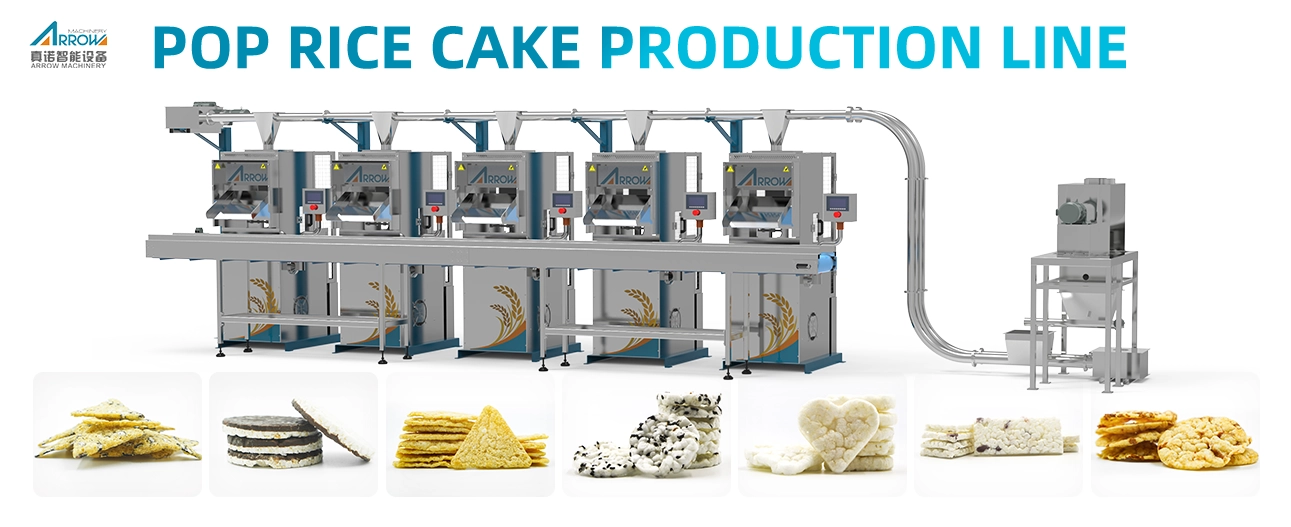
Which Factory Conditions Should Be Checked Before Ordering?
A good technical proposal can still fail if factory conditions are not ready. Workshop layout, heat source, power load, air supply, and packing flow should be checked before manufacturing begins.
Workshop size and material flow
Factory layout design should follow the real movement of materials. Raw materials should move toward mixing, then extrusion, drying, cooling, seasoning or coating, and packing with as few cross-flows as possible.
Buyers should provide workshop length, width, height, door size, floor load, drainage, and reserved space for future expansion. If layout is checked late, the factory may need to change equipment position, conveyor angle, packing area, or utility routing after delivery.
Utilities and heating source
Electricity, compressed air, water, steam, gas, ventilation, and exhaust should be reviewed early. Dryers, toasters, and fryers depend heavily on available heating sources. A food extrusion line designed for one heat source may not fit a factory with a different utility condition.
The buyer should also confirm dust collection, heat exhaust, humidity control, and cleaning access.
Packing interface and expansion space
Packing should not be treated as a separate issue after the line is installed. Finished products may need weighing, bagging, boxing, coding, cartoning, or manual inspection. The outlet height, product temperature, and packing speed should match the downstream system.
How Should Buyers Evaluate Engineering Capability?
Supplier evaluation should go beyond the catalog. A strong food extrusion equipment manufacturer should be able to discuss process, equipment, layout, control, and startup together.
Check application coverage and project references
A supplier with broader extrusion experience can usually communicate better when a factory has more than one product direction. Buyers may review puff snacks, cereals, plant protein, instant rice, pet food, aquatic feed, or bread crumb projects to see whether the supplier has handled related process challenges.
When discussing this stage with Arrow Machinery, buyers can focus on project fit rather than general company scale. The useful questions are practical: Can the proposed process match the product? Are the supporting systems complete? Can the project team explain the line from raw material intake to packing connection?
Check cooperation between process and equipment teams
Food extrusion projects require coordination between food process engineers, mechanical designers, electrical control teams, installation engineers, and after-sales support. If these teams work separately, the buyer may receive a machine list that looks complete but lacks process logic.
A capable food extrusion equipment manufacturer should explain why each section is selected, how it affects the product, and what should be checked during commissioning. This matters when factories move from small-batch trials to continuous production.
Check service after delivery
Delivery is not the end of a food extrusion project. Field debugging, operator training, spare parts, maintenance guidance, and troubleshooting affect the first months of production. The Service scope should be reviewed before signing so both sides know what support is included.
Operator training for food production line startup should cover safe operation, shutdown, cleaning, parameter adjustment, and common fault handling.
What Hidden Risks Should Be Confirmed Early?
Many project issues come from incomplete scope, weak process checks, or missing support during startup.
Missing modules can make a quotation misleading
A quotation may look attractive if conveyors, dryers, coolers, coating systems, control cabinets, installation support, or spare parts are not clearly listed. Buyers should request a full equipment list and mark each item clearly.
Process mismatch can increase startup waste
If product moisture, die shape, drying time, coating ratio, or cooling conditions are not checked early, the factory may spend more time adjusting the line during startup. This can lead to extra trial material, delayed packing tests, or repeated parameter changes. The risk is higher for new products, multi-grain formulas, high-protein materials, and coated snacks.
Weak training can slow stable production
Even a well-built extrusion processing line needs trained operators. If the team does not know how to adjust temperature, screw speed, feed rate, dryer time, coating ratio, or cleaning procedures, production may remain unstable after installation.
Buyers should confirm training scope, manuals, remote support, maintenance points, and extruder spare parts before shipment.
What Information Should Buyers Prepare Before Contacting a Supplier?
A detailed inquiry helps the supplier build a practical proposal. Before requesting a complete project plan, buyers should prepare product types, target output, working hours, raw materials, sample references, and packing format.
Workshop drawings, heat source, power condition, compressed air, ventilation, and expected installation schedule should also be shared.
Before ordering a food extrusion turnkey solution, prepare your product plan, raw materials, target output, workshop drawings, heat source, packing method, and service expectations. We can review these details and suggest a practical food extrusion line configuration based on real production conditions. Contact Us to discuss a turnkey plan for your factory project.
FAQ
Q: What is included in a turnkey extrusion project?
A: It usually includes process planning, equipment selection, layout direction, supporting systems, installation, testing, operator training, spare parts, and after-sales support, depending on the agreed project scope.
Q: Is a turnkey food production line better than buying one extruder?
A: It depends on the factory stage. If supporting systems already exist, one extruder may be enough. For a new plant or major expansion, a turnkey project can reduce coordination risks.
Q: What should a factory prepare before requesting a quotation?
A: Prepare product types, raw materials, target output, workshop size, heat source, packing method, automation needs, and service expectations.


