



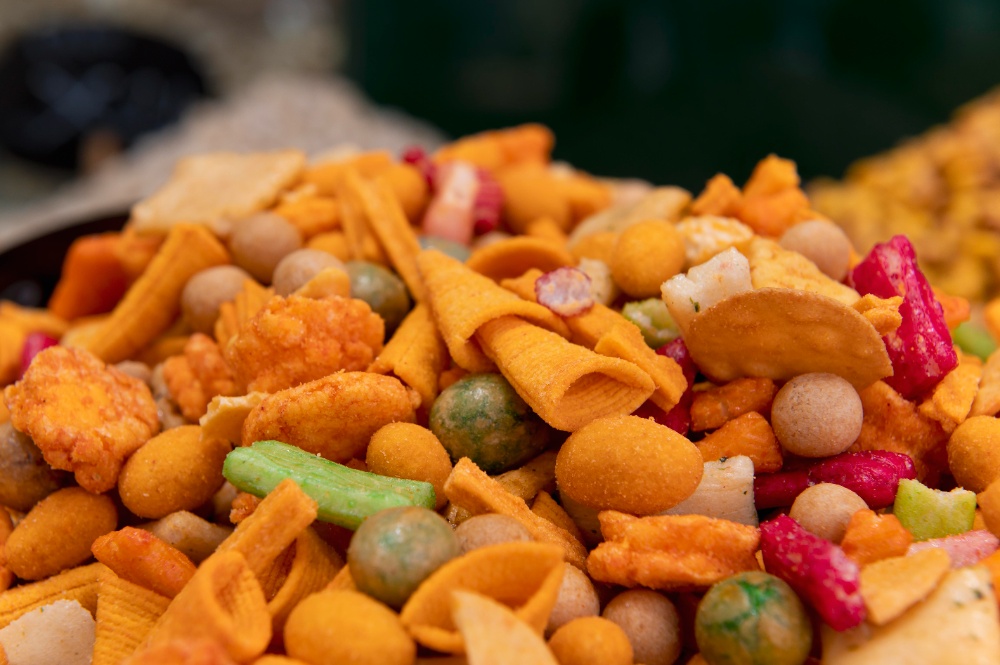
High protein puff snacks are gaining attention because the snack market is no longer driven by crunch and flavor alone. Many consumers still want the light texture of puff snacks, yet they also compare products by protein, fiber, ingredient quality, oil use, and daily nutrition. This shift has created space for protein enriched puffed snacks.
For food manufacturers, this category is more complex than it appears. Adding protein to a standard corn puff formula can change expansion, density, mouthfeel, drying, flavor release, and shelf stability. A commercially viable product needs balance among grains, plant proteins, moisture, extrusion conditions, drying, seasoning, and packaging.
High Protein Puff Snacks Fit the Demand for Functional Snacking
The role of snacks has changed. Consumers still choose flavor, but many now expect a clearer nutrition story. Protein, fiber, whole grains, plant based ingredients, and clean label snacks have become important factors in office snacks, fitness nutrition, children’s snacks, and portable food formats.
This format fits the demand because it keeps a familiar eating experience while adding stronger nutritional value. Compared with dense protein bars or meal replacements, puff snacks can feel lighter, crispier, and easier to consume.
A protein claim alone is not enough. Sodium, oil, sugar, fiber, serving size, and processing method all shape the final product. The real opportunity is a balanced product with credible protein, satisfying crunch, and stable flavor.
Why Puff Snacks Work Well for Protein Innovation
Puff snacks already have broad consumer acceptance. They are light, crisp, easy to season, and suitable for many shapes. This makes them a flexible base for high protein extruded snacks, high fiber puffed snacks, whole grain puffed snacks, and plant based puff snacks.
Texture still drives repeat purchase
Protein may attract attention on the front of a package, but texture often decides repeat purchase. If a snack becomes too hard, dry, dense, or coarse, the protein message will not support the product for long.
This is a central challenge in protein enriched puffed snacks. Corn flour, rice flour, wheat flour, and potato starch usually support expansion and crispness. Protein ingredients such as pea protein, soy protein, chickpea flour, and lentil flour may reduce expansion, increase density, or bring stronger raw material notes.
A workable formula must allow the snack to expand properly while carrying enough protein for its target position. That balance turns product development into both a formulation task and a process control task.
Extrusion creates structure, shape, and consistency
The food extrusion process combines mixing, cooking, shaping, and expansion in a continuous system. Raw materials move through heat, pressure, and screw shear, then pass through a die. As pressure drops, moisture flashes into steam and the puffed structure forms.
For protein-focused puffed snacks, process control directly affects texture. Screw speed, barrel temperature, feed rate, moisture, die design, and cutting speed all influence shape and bite. A twin screw extruder for snacks is often suitable for complex formulas because it supports stronger mixing and flexible adjustment.
At ARROW, we work with extrusion-based food processing systems across puffed snacks, breakfast cereals, plant-based protein foods, and other grain-based applications. In this category, the practical value lies in connecting formula behavior with stable processing.
What Makes High Protein Puff Snacks Technically Different
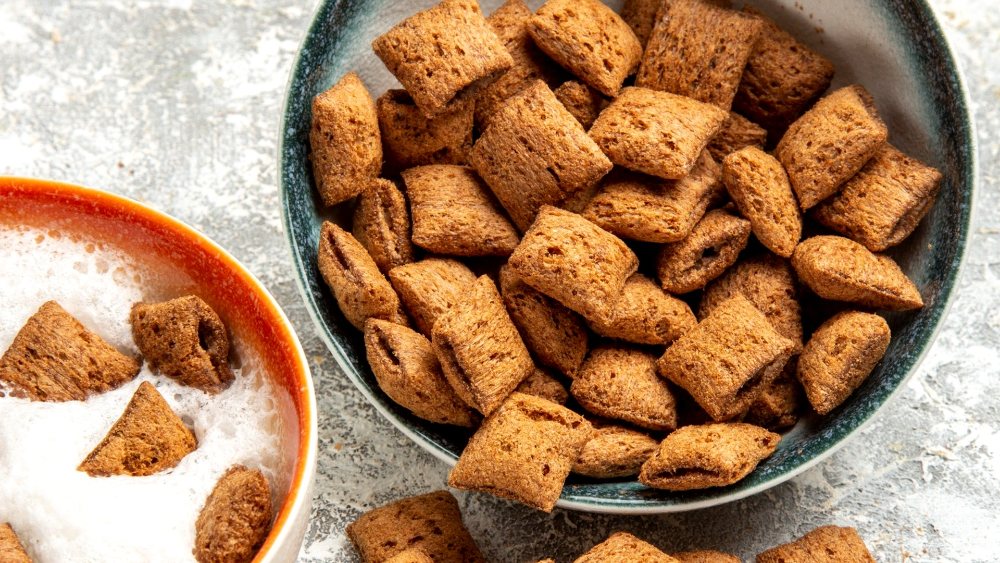
Regular puff snacks often rely on starch for expansion. Protein-focused puff snacks need a more careful relationship between starch and protein. Excess protein may create density, limited starch may reduce puffing, and too much fiber may create a rough bite.
Protein changes expansion and mouthfeel
During extrusion, starch gelatinization helps create the puffed cell structure. Protein supports nutrition and structure, but it does not expand in the same way. It also competes with starch for water, which can affect flow, smoothness, expansion ratio, and hardness.
Formula testing matters. Pea protein may behave differently from soy protein. Chickpea flour may add fiber and a plant based message, but it can also affect flavor and color. No single formula suits every market.
Moisture and drying affect shelf stability
Moisture affects cooking, expansion, drying, and final texture. If moisture remains too high, the product may lose crispness after packaging. If moisture is too low, the material may not cook evenly, and the snack may become hard or irregular.
Drying and cooling are critical after extrusion. A puffed snacks processing line needs stable drying to reduce residual moisture and protect texture. Cooling prepares the product for packaging and helps reduce condensation risk, especially in protein and fiber formulas.
Plant Based Protein Is Expanding Snack Possibilities
Plant based protein snacks are growing because they connect several trends at once: protein, fiber, ingredient variety, and better-for-you positioning. Soy protein, pea protein, rice protein, lentil flour, chickpea flour, and mixed grain bases can all support new puff snack concepts.
This trend helps brands move beyond traditional corn puffs. A product can be positioned as high protein, high fiber, whole grain, gluten free, or plant based, depending on raw materials and allowed claims. Rice and corn support light expansion, while pea or soy protein can raise protein content.
The challenge is to keep the product enjoyable. Plant proteins can bring beany, earthy, or bitter notes, and some sources may create a rougher texture. Formula work, extrusion control, and seasoning strategy need to develop together.
How Manufacturers Can Develop High Protein Puff Snacks More Strategically
A strong development process should begin with the target consumer, not the machine list. Manufacturers need to define the eating occasion, protein level, texture goal, flavor direction, shape, package size, and price range.
A sports snack may need higher protein and stronger satiety. An office snack may need clean taste and lighter texture. A children’s snack may need smaller shapes and moderate seasoning. A convenience store snack may need strong flavor impact and long shelf stability.
After that, the formula and process can be matched. A manufacturer may test corn with pea protein, rice with soy protein, or multigrain blends with added fiber. Each choice affects expansion, density, color, flavor, cost, and production stability.
Product teams can review broader processing routes through the solution center when planning formula trials, process flow, drying configuration, and capacity needs. A practical plan should consider cleaning, changeover, operator training, future SKU expansion, and quality control.
Actual production experience also matters. Direct-cut puff snacks need stable extrusion and cutting. Center-filled snacks need coordinated filling and cutting. Corn chips need forming, frying, and seasoning. Rotary head snacks such as Kurkure-style products need a different extrusion and shaping route.
Why Flexible Production Will Matter More
Snack innovation is moving quickly. Brands often test new protein sources, flavors, shapes, and claims before the market changes again. A flexible system can reduce development risk because it gives manufacturers more room to adjust formulas and formats.
A twin screw extruder for snacks can support many grain-based and protein-enhanced recipes, but the full line matters as well. Mixing affects ingredient distribution. Extrusion affects structure. Drying affects crispness. Seasoning affects repeat purchase. Cooling and packaging affect shelf stability.
This is why a puffed snack production line should be evaluated as a complete process rather than a single machine. Better results usually depend on matching raw materials, process conditions, equipment configuration, and final product positioning.
Final Thoughts
This trend is becoming important because it answers a clear market need. Consumers want snacks that are enjoyable, convenient, and more nutritionally relevant. Puff snacks offer airy texture and flavor flexibility. Protein adds a stronger product story, but also brings challenges in expansion, texture, drying, and taste.
For manufacturers, success depends on balance. The product should not rely only on a protein claim. It should deliver crisp texture, suitable flavor, stable shelf life, and realistic production cost. With careful formula testing and the right extrusion process, protein enriched puffed snacks can become a strong development direction.
If your team is planning a high protein, plant based, or better-for-you puff snack project, contact us to discuss the product target, capacity needs, and possible processing route.
FAQ
Q:Are high protein puff snacks always healthier than regular puff snacks?
A:Not always. High protein puff snacks may offer stronger nutrition positioning, but oil, sodium, sugar, fiber, serving size, and processing method still affect the final profile.
Q:What ingredients are commonly used in high protein puff snacks?
A:Common ingredients include corn flour, rice flour, wheat flour, oat flour, pea protein, soy protein, chickpea flour, lentil flour, and mixed plant protein blends.
Q:Why is extrusion important for protein enriched puffed snacks?
A:The food extrusion process helps mix, cook, shape, and expand grain and protein ingredients in a continuous system. It also helps manage density, crispness, shape, and consistency.


