




As we step into 2026, the plant-based meat sector has grown far past basic substitutes, focusing instead on providing a sensation that closely resembles animal tissue with every mouthful. Shoppers today insist on “clean label” goods featuring genuine stringy qualities, turning aside from the porous feel of earlier versions. For producers, addressing this call involves redirecting attention from dry methods toward improved High Moisture Meat Analog (HMMA) approaches. Yet, choosing the proper equipment remains the key choice you face. Plenty of firms face challenges since their devices miss the accuracy required for intense protein reshaping.
To manage this involved terrain, you call for an ally who views more than the devices alone. At ARROW MACHINERY, we center on research and creation of food build efforts, aiding more than 5000 clients in 118 nations. Backed by over 20 years of practice, our skilled crew regards tech as the foundation of progress. We go beyond merely offering pushers; we deliver thorough build answers, spanning plant arrangement designs to tailored blend creation. Our dedication to lasting, eco-friendly food advances motivates us to assist in constructing a manufacturing line that operates smoothly, expands readily, and prepares for the upcoming food era.
The Power of Twin Screw Technology in Wet Texturization
The core of every high-water process lies in the pusher device. In contrast to dry textured vegetable protein (TVP), which demands water restoration, HMMA creation entails working with a protein paste holding 50% to 70% water. Such work necessitates a pusher able to manage vast force and friction to unfold proteins such as soy, pea, and wheat gluten, then rearranging them into orderly strands.
While assessing devices, favor a Twin Screw Extruder possessing strong rotation strength. A gear setup drawn from solid German and Austrian layout ideas proves vital to guarantee reliable yield amid these tough setups. The chief elements of our gear units endure beyond 50,000 hours, making certain your output continues without halt from device breakdowns.
Adaptability holds similar weight. A modular barrel and screw design enables you to alter the screw arrangement for various input materials. Be it handling common soy extracts or trying novel components like tiny sea algae or nut protein, a flexible framework permits adjustment without acquiring fresh equipment. Seek out barrels equipped with abrasion-proof metal linings, as this toughness is essential for factory-level tasks operating nonstop.
The Cooling Die: Where Texture is Born
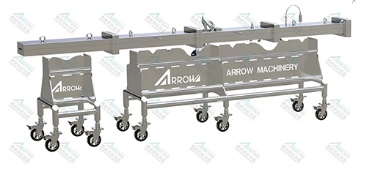
Although the pusher readies the protein flow, the true wonder of wet strand formation occurs within the cooling die. This element marks the clear split between an ordinary protein mass and an item that tears like actual chicken or forms lumps like beef.
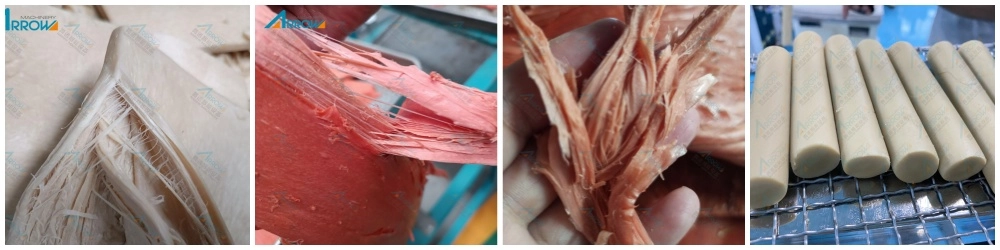
Top setups employ a dedicated Plant Protein-Based Wet (HMMA) TVP Production System fitted with refined cooling die methods. This method chills the protein straight after expulsion, securing the strand pattern formed by the screws. Accurate heat regulation counts as crucial here. You ought to seek setups wherein the warming and chilling fluid in every chamber operates separately.
Employing an extended cooling die extends the holding period, confirming that the strands solidify properly. This feature aptly replicates the eating sensation of animal flesh, fulfilling the sensory needs of the 2026 shopper.
Intelligent Control and Industry 4.0 Integration
By 2026, hands-on estimates find no room in a current food facility. Reliability serves as the basis of confidence, and reliability arises from automatic functions. The foremost pushers presently include Smart Systems that blend thoroughly with electronic facility oversight.
Search for a Human-Machine Interface (HMI) crafted under the “What You See Is What You Get” guideline. Users must track and adjust every vital setting—such as heat, screw rate, and slicing rate—straight through a touchscreen. Past basic oversight, these frameworks ought to link to your ERP or output oversight program. Such linking supports electronic upkeep, letting the framework notify you prior to a component’s failure, while also providing complete tracking of input materials from mixing to the end item.
Automatic input material mixing frameworks boost this smooth running further. Through employing exact weighing detectors and adjustable-rate supplying, you confirm the precise balance of firm proteins to fluid extras feeds into the pusher consistently. This accuracy averts run-to-run differences, a frequent issue in hands-on tasks.
Service and R&D Support: The Hidden Value
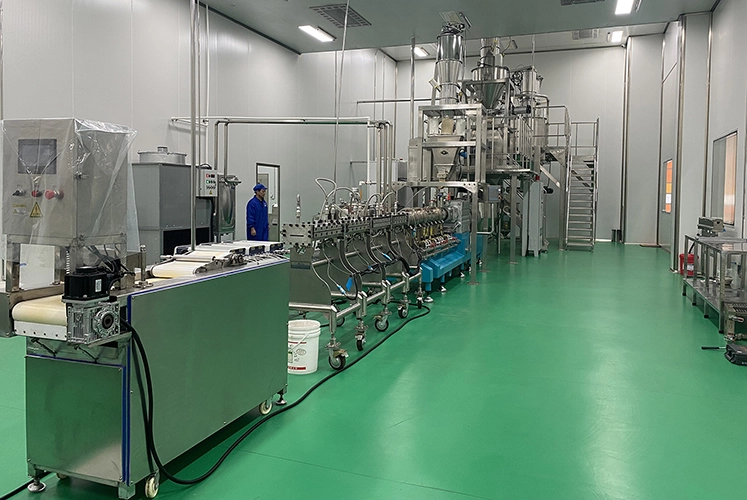
In the end, bear in mind that you acquire a collaboration, beyond mere metal and drives. The intricate nature of wet pushing implies that components form just part of the setup. The finest provider extends broad turnkey solutions encompassing over mere placement.
Assess the provider’s skill in aiding your item growth. A creativity hub filled with food tech and device specialists represents a priceless tool. This aid lets you trial fresh blends—be it a fresh mix of pea and fava bean or an original sea fare option—without upsetting your primary output line. Ranging from facility build guidance to usage instruction, thorough aid ensures that you attain ROI more quickly.
Conclusion
Thriving in the 2026 plant-based sector demands beyond mere trend pursuit; it calls for suitable groundwork. Through emphasizing strong-rotation twin-screw methods, exact cooling dies, expandable output, and clever oversight frameworks, you position your firm to create superior, stringy meat copies that shoppers desire.
We stand prepared to guide that advance. With our Plant Protein-Based Wet (HMMA) TVP Production System, you obtain access to the methods and knowledge essential to direct the sector. To start your journey towards superior production capabilities, please contact us today for a personalized consultation.
FAQ
Q: What is the main difference between dry TVP and wet HMMA extrusion?
A: Dry TVP (Textured Vegetable Protein) undergoes pushing with minimal water and needs restoration before application, yielding a porous quality. Wet HMMA (High Moisture Meat Analog) receives treatment with 50-70% water and chills promptly, forming a stringy, tissue-resembling quality that echoes meat outright sans restoration need.
Q: Can one extruder produce different types of plant-based meats?
A: Indeed, via a flexible twin-screw pusher, you may modify the screw arrangement and treatment settings to yield diverse qualities. Through altering the cooling die and components, the identical device can produce plant-based chicken, beef, pork, and moreover seafood options like tuna.
Q: Why is independent temperature control important in the extrusion process?
A: Separate heat oversight per barrel segment permits exact handling of protein unfolding and strand treatment. This confirms the protein flows and orients into strands aptly across barrel phases, proving vital for securing steady item worth and true meat-resembling quality.


