



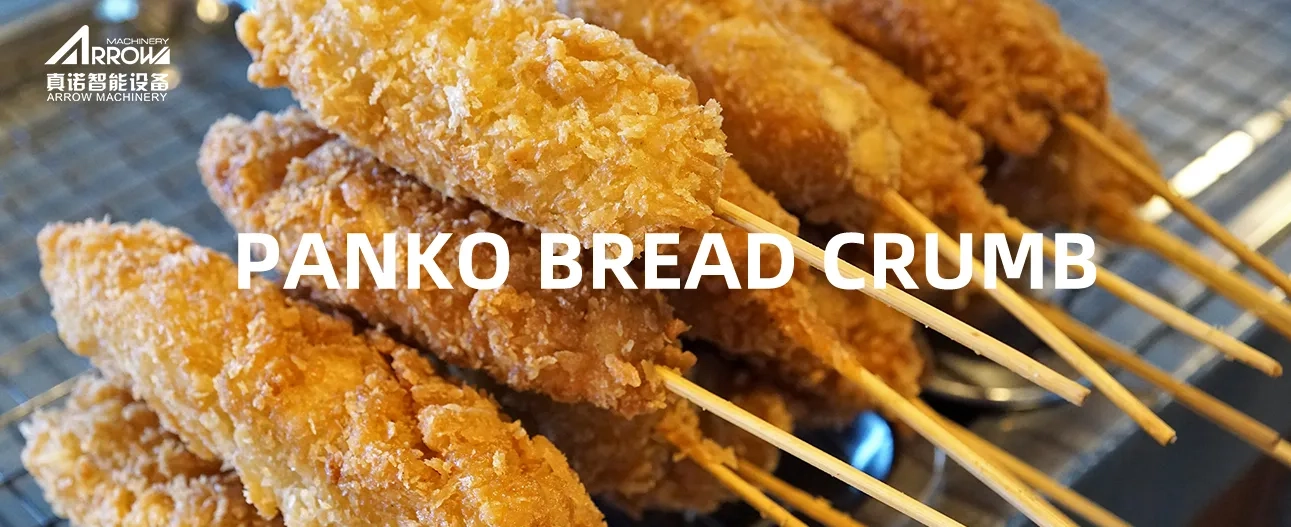
In 2026, the worldwide demand for top-quality Japanese-style panko continues to grow rapidly, driven by a push for handmade excellence on a large-scale factory level. Making this fine, grease-proof crumb calls for a smart mix of old-school fermentation and fresh tech designs. At Arrow Machinery, we have built up more than 30 years of skill in getting this mix just right. We help over 5,000 clients in 118 nations, and our group delivers full setup plans—from early research to green production—so our partners keep up with market shifts through smooth, strong work.
As you check out options for a fresh production setup this year, certain tech skills will shape your ongoing returns. Below, we look at the key traits that mark a leading system in 2026.
1. Electrode Baking Technology: The Heart of Panko
The main trait of fine Japanese Panko is its thin, needle-like form and total lack of a browned outer layer. Old ways of oven baking warm from the outside toward the inside, which always leads to an outer layer that needs cutting off—wasting stuff and cutting output. When you review a production setup, the baking approach stands as the one big thing to check closely.
The best new setups use Electrode Baking Technology (dielectric heating). Unlike regular air-flow ovens, an electrode oven sends an electric flow right through the dough. The push-back inside the dough makes heat right in the middle, letting the bread cook evenly and quickly all the way through. This way stops the heat difference that builds up in the outer layers. The outcome is a clean, white, layer-free loaf that stays soft and full of holes. This inside build is a must for making the long, thin-shaped crumbs that set top Panko apart. If a setup sticks to basic heat spread, it will find it hard to get the lightweight and exact feel that customers want.
We stress this tech since it ties straight to your gains. By skipping the outer layer cut, you use almost all the raw stuff, cutting waste a lot more than old methods do.
2. Precision Grinding and Texture Control
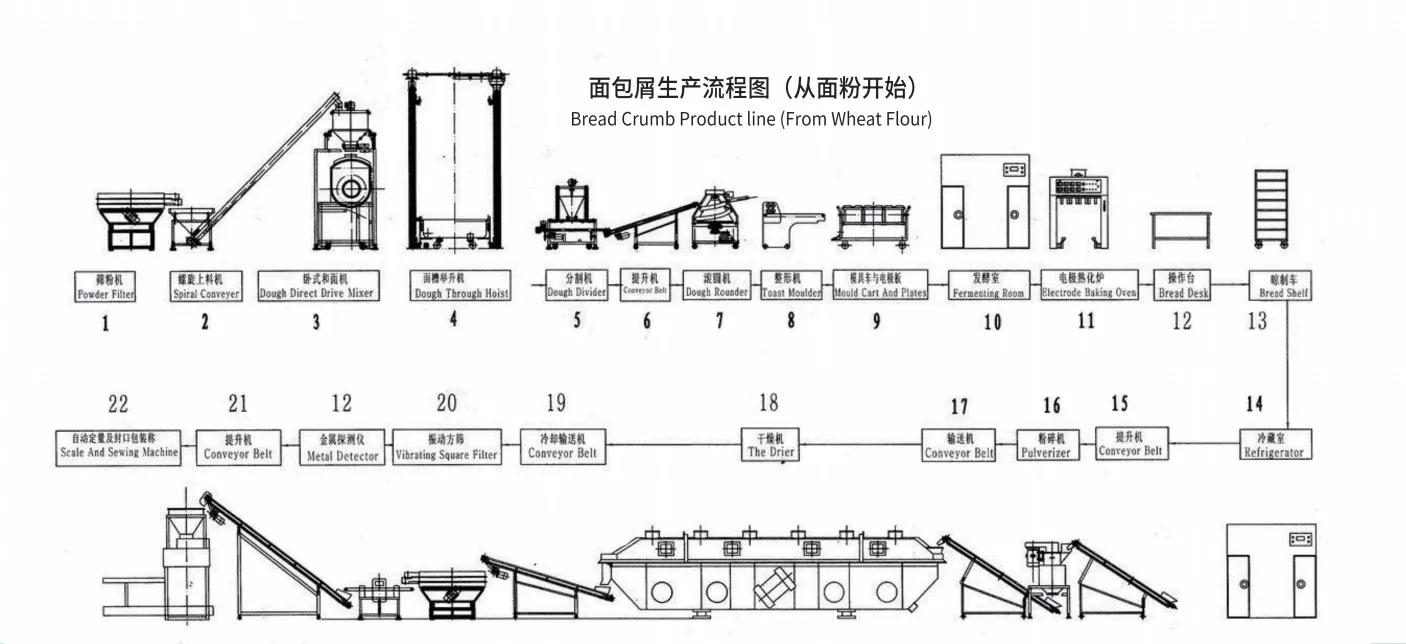
After the bread bakes and cools, the crushing step determines how well your product sells. Many think any basic mill works fine. Yet, common crushers often smash the soft, hole-filled build of yeast-raised bread into powder, leading to a thick, tough cover instead of a light, crisp one.
A better factory setup needs a special Bread Crumb Pulverizer Machine. Seek gear with a straight-up build and different screen sizes. The chance to swap the crusher screen is key for flexibility. It lets oneset upp shift making between various sizes:
- Needle Shape:The top pick for fried shrimp and fancy covers.
- Granular/Snowflake:Great for burger patties and nuggets.
- Strips:Used in many special food work tasks.
The crushing part should work to pull the bread apart along its own hole lines instead of pounding it. This keeps the crumbs with their “open” feel, which matters for the “oil flow” during frying, so the end fried item stays crisp without extra fat.
3. Gentle Drying with Vibrant Fluid Bed Systems
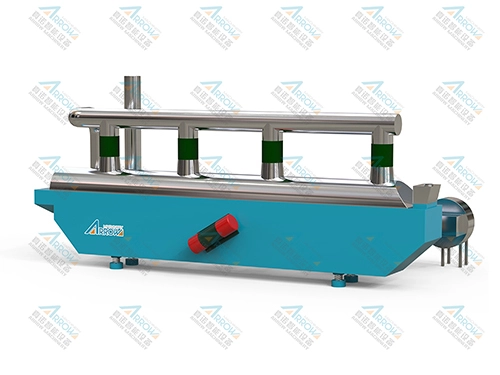
Keeping the crumb whole does not stop after crushing. New-ground Panko holds lots of water and breaks easily. Rough shaking in the dry step can snap the thin shapes, turning top goods into bits or dust.
The fix comes from the Vibrant Fluid Bed Dryer Machine. In 2026, fixed belt dryers often fall short for this job. A fluid bed setup uses wind to lift the crumbs, making a liquid-like flow. This makes sure each bit dries even with air moving across, without hard rolling.
The big plus here is less harm on the outside. The lift process stays soft, stopping breaks in the thin needle that you made in baking and crushing. Plus, a fully sealed build in the dry area stops mix-ups and keeps a clean space, which leads to the next key trait.
4. Intelligent Factory Integration and Digital Management
In today’s “Industry 4.0” time, just strong machines do not cut it. A strong Fermented Bread Crumb Food Production Line must serve as the smart core of your work, not only the power. Adding big data and smart tech to old making is not extra anymore—it stands as a basic need for smooth work and quality watch.
When picking gear, choose setups with a solid Intelligent Factory Control System. This needs an HMI (Human-Machine Interface) on the “What You See Is What You Get” base, letting workers see the full flow on a touch screen. Past basic on/off, the setup should give:
- Recipe Management:The skill to save and pull back exact settings for varied crumb kinds, keeping steady quality over work times.
- Remote Diagnosis:Parts that let tech groups fix problems from afar, cutting stop times.
- OEE Analysis:Tools to watch Optimize Equipment Efficiency, power use, and output track care.
This kind of tech setup allows for ahead-of-time fixes, warning you of coming problems before they halt things. It changes the production setup from a fix-it tool to a forward-thinking help.
5. Hygiene Standards and Dust Control
Food safety regulations are becoming stricter globally. Producing bread crumbs generates significant dust, which can be a hygiene hazard and an explosion risk if not managed correctly. Therefore, the physical design of the machinery regarding sanitation is a major purchasing consideration.
Top-tier lines are designed according to GMP (Good Manufacturing Practice) standards. This means the use of high-grade stainless steel for all contact parts, ensuring resistance to rust and ease of cleaning. Specifically, high-quality grinders like the Bread Crumb Pulverizer Machine are designed to ensure no dust flying during the production process, often integrating advanced dust collection designs.
A well-designed system will employ mechanisms to recover dust rather than letting it fly into the workshop atmosphere. This not only protects the health of your workforce but also keeps the machinery clean, preventing the accumulation of flour that could attract pests or bacteria.
6. Comprehensive Service and Turnkey Support
Last, the tricky nature of a fermented Panko setup means buying the parts is just part of it. The “soft” sides of the seller—their know-how and help skills—matter as much as the metal.
A trusty partner should give more than a box of pieces. We hold to giving a full setup plan. This covers plant space planning to boost stuff flow, custom-made guides to fit local flour traits, and on-site setup and start-up. The seller should run a set research spot that keeps testing new stuff and ways, passing that learning to you.
Seek a seller who works like a guide, leading you from the first idea to the end, with the packed item. This full way makes sure your spend turns into easy, money-making work from the start.
Conclusion
Putting money into a fermented bread crumb setup is a big plan choice. By aiming at Electrode Baking for better feel, exact crushing for shape watch, soft fluid bed drying, and smart setup link, you set your making skills at the forefront of the field. As we go on in 2026, these traits will mark the top players in the market. We stand set to lead you on this path, using years of skill to make your production setup not just gear, but a strong edge. Contact us today!
FAQ
Q: What is the main difference between extruded bread crumbs and fermented Panko?
A: Extruded crumbs are made by cooking flour under high pressure in an extruder, which is faster but results in a denser texture. Fermented Panko is made using a traditional bread-making process involving yeast fermentation and electrode baking, resulting in a lighter, silver-shaped crumb with superior crispy texture and less oil absorption.
Q: Can one production line produce different shapes of bread crumbs?
A: Yes, the shape of the final crumb is largely determined by the grinding process. By changing the screen mesh (net) in the pulverizer machine, you can switch between needle, granular, strip, or snowflake shapes using the same baking and drying line.
Q: Do I need a specific type of flour for this production line?
A: While high-gluten wheat flour is the standard for producing high-quality Panko due to its ability to form a strong gluten network during fermentation, our team can assist in adjusting recipes and process parameters to work with various local flour specifications to achieve the desired result.


