



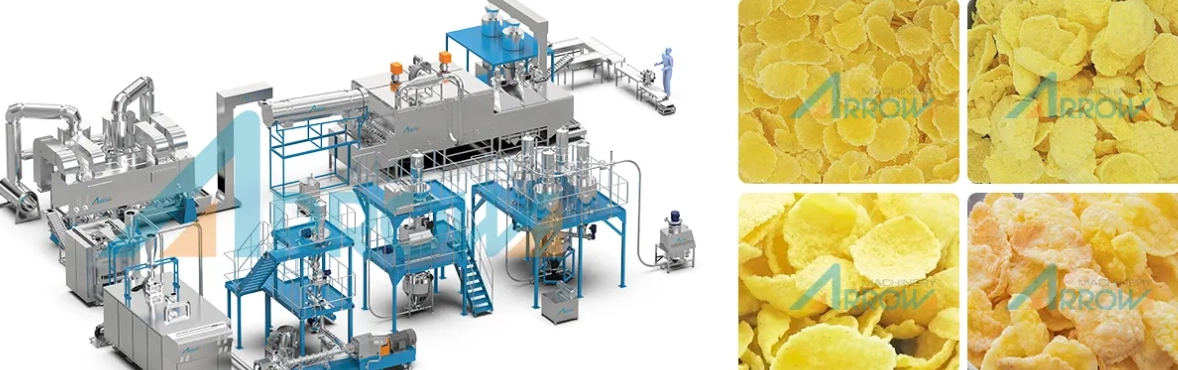
In 2026, the breakfast cereal industry is undergoing a massive transformation, where staying competitive means more than just filling boxes. It requires a seamless blend of high-speed output and surgical precision to meet the modern consumer’s appetite for quality. As manufacturing costs rise, the difference between a profitable facility and a struggling one often comes down to the intelligence of its processing equipment.
Enhancing Production Efficiency with a Corn Flakes Production Line in 2026
Evolving Demands in Cereal Manufacturing
As we enter 2026, cereal makers face growing pressure to supply goods that satisfy buyer needs. They must also keep profits steady in a tough worldwide market. The call for steady product quality is clear. So is the push for better output speeds and lower running costs.
The move to automation and eco-friendly practices goes beyond a passing fad. It has become a must. Food making today needs exact controls. It requires choices based on data. And it calls for power-saving setups to remain competitive. One key tool driving this change is extrusion.
Start with corn, wheat, or oats as base materials. Run them through a top-quality extruder. The result is a crunchy product packed with nutrients. It appeals to people of all ages. This shows how extrusion shapes the known feel and health benefits of corn flakes and morning cereals.
Key Efficiency Drivers in Corn Flakes Production Lines
To boost output in a corn flakes line, blend fresh setup ideas with clever tech. Modular setups let you switch recipes fast. This cuts idle time and raises flexibility in making goods.
Smart setups help organize and track upkeep, steps, and output jobs digitally. They open up better levels of work speed and standards. These systems cut power use wisely. Automation lowers worker expenses and boosts evenness.
Digital links tie together all processing parts, from input to packing. Every step runs smoothly because of this. Such unity is vital for big output runs. It keeps quality intact at the same time.
The Role of Twin Screw Extrusion Technology in Modern Corn Flakes Processing
Advantages of Twin Screw Extrusion Over Single Screw Systems
In today’s cereal making lines, twin screw extrusion forms the core tech that backs steady and growing work. Single screw setups fall short here. Twin screw types give better blending, mixing, and swelling power. These are key for even flake feel and build.
They offer stronger handling of steps. Plus, you can make various goods from one line. With more pull and steadiness, these setups fit ongoing, high-volume runs. That makes them perfect for securing your setup against future needs.
Process Flow of Corn Flakes Manufacturing Using a Twin Screw Extruder
Feeding and Preconditioning Stage
Exact work starts right at the start. For feeding, use precise weighing or forced powder input. Or try pressure liquid measure feeding for advanced runs. These methods keep water levels even. They also spread parts uniformly. That is a must for reliable results.
Cooking and Expansion Stage
The extruder’s warm areas get separate control. Each holds to ±1°C accuracy. Heating works with exact, solo warmth for each area. That ±1 degree hold allows the best starch swelling. A flexible screw setup lets you adjust mixing and swelling to fit your mix needs.
Shaping and Cutting Stage
Steady flow comes from even push in extrusion and fine CNC-cut screws. The screw uses a flexible design. It is easy to swap or fix, which saves money. High-strength carbide steel offers strong resistance. The 3D build and CNC cut make the surface smooth. It also gives high join accuracy. This leads to flakes with sure thickness and form strength.
Drying, Toasting, and Coating Stage (Post-extrusion)
Follow-up links make drying and taste adding work well. Even warmth spread in the dryer cuts loss. It keeps the wanted feel. Several spray spots allow spot-on use of syrups or tastes.
In-depth Look at the AHT62 Twin Screw Extruder by ARROW MACHINERY
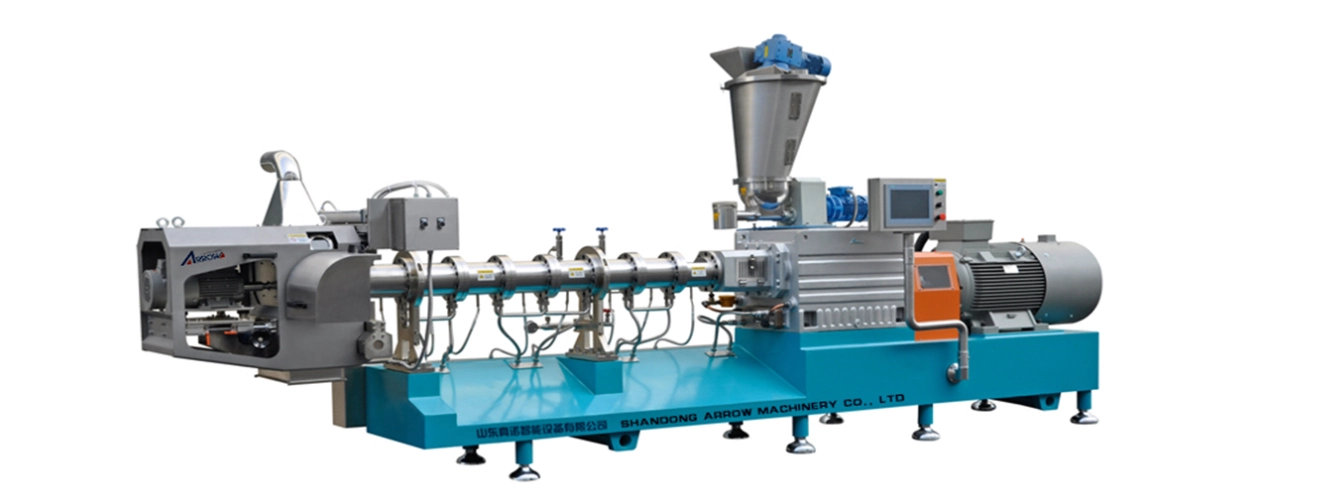
If you plan an update or a fresh cereal plant, the AHT62 Twin Screw Extruder fits well.
Technical Specifications Supporting High-Efficiency Output
Installed Power and Throughput Capacity
AHT 62 has 75 KW power setup. It yields 100–350 KG/H. This suits medium to big runs that seek growth without losing exactness.
Modular Barrel Design for Versatile Applications
The barrel follows a flexible design. It comes in forms like 3/5/8 parts for varied output. Swaps are simple, and fixes save costs. Each part cools on its own. This gives heat steadiness matched to each step.
High Precision Screws Engineered for Longevity and Performance
Screws use tough carbide steel. They get CNC exact build for lasting under heavy use. Careful food tech and pick of materials ensure the extruder’s long life.
Gearbox Architecture Designed for Industrial Reliability
The gear box has a high pull build for heavy loads. It includes safety guards and auto oiling. The whole thing handles nonstop runs. It cuts upkeep breaks to a minimum.
Smart Control Systems Driving Operational Excellence in 2026
Advanced PLC Integration for Real-Time Process Management
New extrusion lines come with leading control setups. They use top PLC from Europe, the US, or Japan, like Siemens or Delta. These give instant checks and forecast upkeep tools.
Digital Synchronization Across Processing Modules
From start input to end coating, digital talks between parts ensure matched work. This raises work speed. It also cuts changes between runs. That helps keep good standards in big amounts.
Operational Benefits Delivered by the AHT62 Twin Screw Extruder in Corn Flakes Production Lines
Improved Product Consistency Across Batches
Exact hold on warmth and part input leads to results you can repeat. This happens run by run. Such steadiness matters for cereals that must hit firm store rules.
Reduced Downtime Through Modular Maintenance Design
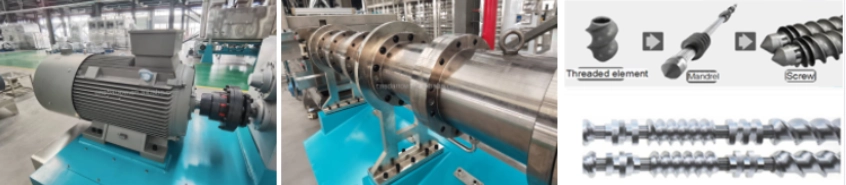
The flexible build of the AHT62 lets you do upkeep without stopping the full line. Fast changes of worn bits cut surprise halts. They also ease handling of extra parts.
Energy Efficiency Through Optimized Mechanical Design
Drive uses well-known Siemens ABB motors. They give strong, forceful output. Power moves through a top gear box. Heat guards on barrel parts add to this. Together, they limit power waste in work.
Tailored Support Services from ARROW MACHINERY
To get the most from your spend, ARROW MACHINERY gives full help over your extrusion system’s life.
Technical Training and Installation Assistance
Training for workers builds their skill to run it surely from the start.
Maintenance Support and Spare Parts Availability
Set service plans stop surprise breaks. OEM extra parts are on hand. So fixes happen quick without long waits.
Contact ARROW MACHINERY to Optimize Your Corn Flakes Production Line
If you start a new site or update old gear, see how the AHT62 Twin Screw Extruder can lift your cereal making to fit 2026 needs.
FAQ:
Q: How does the AHT62 handle recipe changes during production?
A: Its modular barrel and screw design allow quick reconfiguration for different formulations, reducing downtime during product changeovers.
Q: Is the AHT62 suitable for small-scale operations?
A: While optimized for mid-to-large scale output (100–350 kg/h), it offers flexibility that can be adapted to smaller batch requirements through efficient controls.
Q: What type of post-processing equipment can be integrated with this extruder?
A: The system can integrate with dryers, flaking machines, coating drums, and cooling units—supporting complete turnkey corn flakes production lines.


